
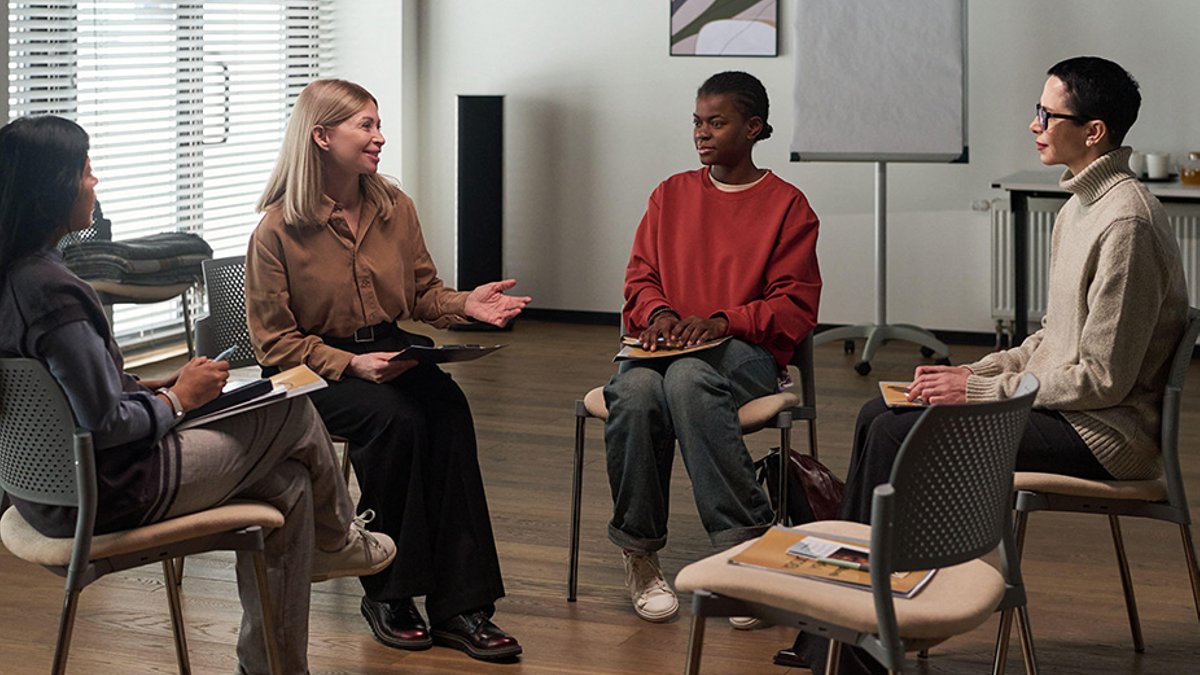
A pilot program of pharmacist-led menopause clinics in Scotland has demonstrated measurable improvements in women’s understanding and self-assurance regarding their symptoms, based on data shared at the Royal College of Pharmacy Scotland conference in Glasgow on August 21, 2026. The initiative, established in 2025 at Great Western Medical Practice in Aberdeen, was developed collaboratively by pharmacists and patients to fill critical gaps in existing menopause support.
More than one billion women globally undergo menopause, yet one-third who pursue medical assistance face rejection of treatment or advice due to poorly structured services, Helen Goldie, the lead clinical pharmacist, explained to the audience. The pilot began with a 60-minute online session focused on gathering women’s priorities, which informed the creation of four pharmacist-led group consultations, delivered both in person and remotely, each accommodating 10 participants. These meetings blended clinical expertise with peer exchanges and personalized advice.
Participants reported “dramatic gains in knowledge and confidence,” with the most valued aspect being peer interaction and shared learning. Goldie stressed that the program’s success was measured by giving every woman what she needed, whether medicine, lifestyle advice, or reassurance. She noted, “We didn’t tell women what to do. We gave them information. We discussed options and made decisions together.”
Two-thirds of the women said that hearing other women’s experiences helped them feel reassured and realize they were not alone. Goldie added, “This is community within healthcare, rather than viewing peer support as an adjunct to healthcare, the group’s consultation model has the community itself as part of the therapeutic intervention.” She observed, “Women can learn from clinicians and each other.”
Following the successful pilot, the clinics now continue to run monthly at Great Western Medical Practice.