
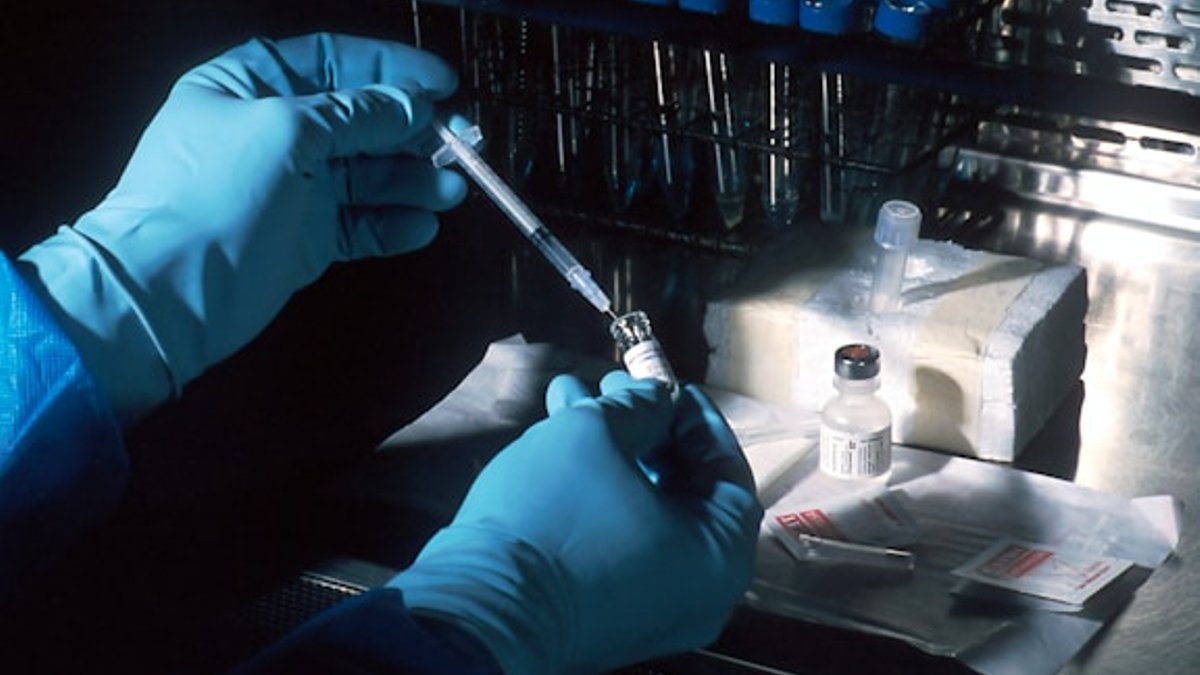
Laboratory tubes made of standard polypropylene can alter test results when working with small amounts of protein, peptides, or drugs. Some compounds stick to the tube walls, reducing the amount available for analysis. The choice between standard and low-bind versions depends on the substance being tested, sample volume, and storage conditions—especially when dealing with high-value or limited material.
How tube material affects protein and drug recovery
Polypropylene is widely used in labs because it resists chemicals and adsorbs less than some other materials. However, its surface isn’t entirely inert. Hydrophobic compounds, including certain proteins, peptides, and lipophilic drugs, can cling to the walls, which may skew results.
The amount of adsorption depends on several factors. The polymer type and surface properties matter, as does how the material was processed. The nature and concentration of the analyte also play a role, along with the pH and ionic strength of the solution. Buffer composition and the ratio of tube surface area to sample volume can influence outcomes. Freeze-thaw cycles further increase the risk of loss.
Not all polypropylene tubes perform the same. Some standard versions work well for routine tasks, particularly when the analyte is abundant or contact time is short. For trace-level samples or valuable material, even small losses can distort findings.
Related: Trump administration sued over graduate student visa time limits
When low-bind tubes make a difference
Low-bind tubes are designed to reduce non-specific binding. Manufacturers achieve this through surface treatments, specialized polypropylene blends, or unique processing methods. While the label doesn’t guarantee identical performance for all compounds, it can improve recovery for sensitive analytes.
These tubes are especially useful when sample volume is small or material is limited. Purified proteins, peptides, biomarkers, and low-concentration drugs benefit most. Common uses include proteomic sample preparation, protein and peptide storage, biomarker studies, and pharmacokinetic research. They’re also helpful in analyzing plasma, serum, and cerebrospinal fluid.
Standard polypropylene remains practical for high-concentration solutions or short-term storage. In those cases, the added protection of low-bind tubes may not be worth the cost. But for techniques like Western blot, ELISA, or mass spectrometry—where even minor losses affect later steps—the difference can matter.
In proteomics, adsorption isn’t just about quantity; it affects selectivity. If certain peptides or proteins stick more than others, the sample profile won’t reflect reality. This issue is particularly problematic in nano- and single-cell proteomics, where material is already scarce. For drugs, adsorption can reduce the amount available for chromatographic analysis, especially with lipophilic compounds or therapeutic peptides at low concentrations.
Related: US Lags in Prostate Cancer Diagnostics
Most labs don’t need low-bind tubes for every experiment. For small volumes of proteins or peptides, a low-bind tube with a capacity matched to the sample may be the better option. For routine work with larger volumes, standard polypropylene is usually enough. The key is matching the tube to the procedure, not just the label.
Manufacturers like Noex Labware offer various options, but technical parameters and workflow compatibility should guide the decision. Recovery rates and surface properties all determine whether the investment is worthwhile.
Adsorption isn’t always easy to predict. A compound that behaves well in one buffer might stick aggressively in another. Temperature changes during storage or transport can also alter how analytes interact with the tube surface. Some labs test small batches with their specific samples before making a large purchase, particularly when working with rare or expensive materials.
For now, choosing between standard and low-bind tubes involves balancing cost, convenience, and accuracy. As analytical methods advance toward smaller samples and lower detection limits, even small improvements in recovery could affect research outcomes.