
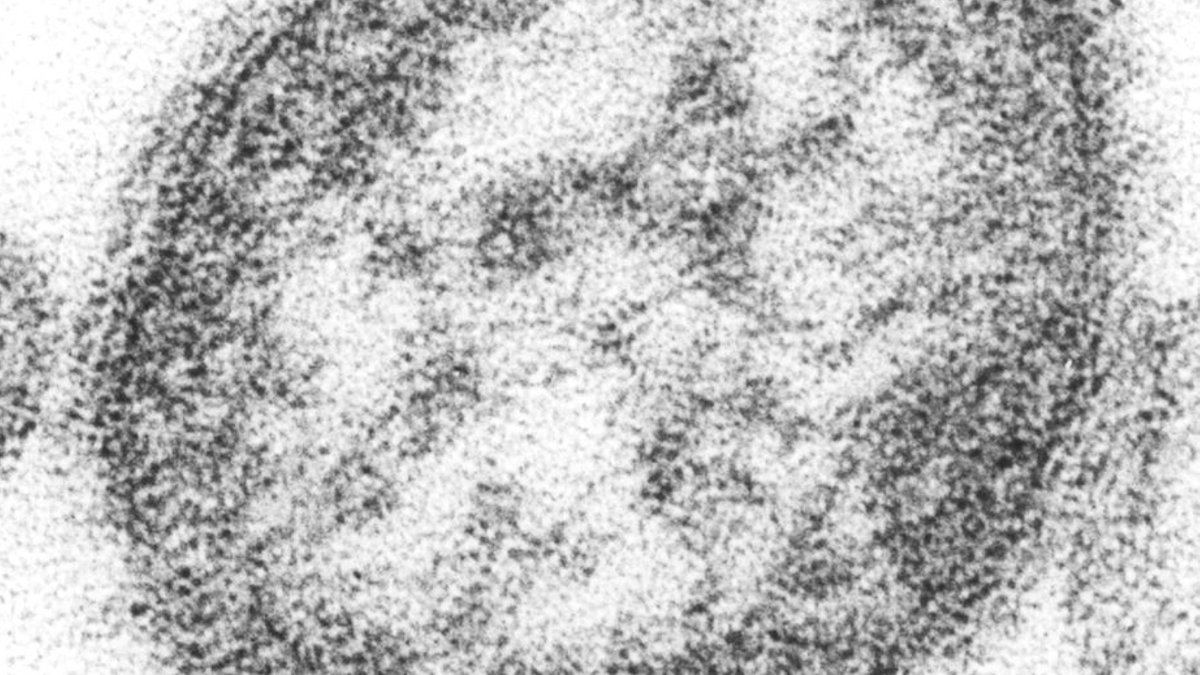
The United States reported more measles cases this year than it did in all of 2025, raising concerns that the country may lose its measles elimination status. In 2000, the U.S. achieved a landmark public health achievement by eliminating measles, but the recent surge in cases is a stark reminder that public health victories can be reversed.
In mid-August, a committee of experts, including myself, will review the evidence and decide whether the U.S. has maintained measles elimination. The committee’s review will be based on the CDC’s annual report on measles elimination, which will be forwarded to the Regional Verification Commission of the Pan American Health Organization (PAHO) for final determination.
Related: Moderna flu vaccine wins FDA approval
The report will include data on measles rates, outbreaks, and transmission chains. This year, the U.S. has reported 2,371 measles cases, with outbreaks occurring in most states. The largest outbreaks have been reported in South Carolina, Utah, Texas, and Virginia, with Utah’s outbreak lasting for more than a year.
Whole Genome Sequencing
A new development in this year’s report is the use of whole genome sequencing to track measles transmission chains. This technology allows for more precise tracking of the virus across state lines and has already been used by several states, including Utah, Arizona, and South Carolina. Whole genome sequencing has uncovered signatures of unseen cases by noticing abrupt “skips” in the virus’s evolutionary trail.
Related: Heart transplant candidates fail if they get too weak, new program tries inpatient prehab
The use of whole genome sequencing may provide important clues about the spread of measles in the U.S. and whether the country has maintained its elimination status. In 2025, Canada and the U.S. used partial genome sequencing data to verify their measles elimination status, but the data were not sufficient to convince PAHO that Canada had maintained its status.
In 2025, Canada and the U.S. used partial genome sequencing data to verify their measles elimination status. For Canada, the data were especially important. Seasonal workers brought measles from Mexico, and new cases left with them in the fall and returned with them in the spring. Partial genome sequencing did not find important differences between the fall and spring cases, something that whole genome sequencing may have allowed. PAHO was unpersuaded that these were separate introduction events, and as a result Canada lost its measles elimination status in November 2025. The U.S. and Mexico may be next.
Related: New York advances assisted dying legislation
The committee will review the CDC’s annual report on measles elimination, which will be forwarded to the Regional Verification Commission of the Pan American Health Organization (PAHO) for final determination in November. The CDC and other public health agencies have been working tirelessly to track the virus and prevent further cases, but more needs to be done to support their efforts. The University of North Carolina’s Gillings School of Global Public Health has been at the forefront of efforts to understand and address vaccine hesitancy, and their work will be key in informing the nation’s response to the measles outbreak.