
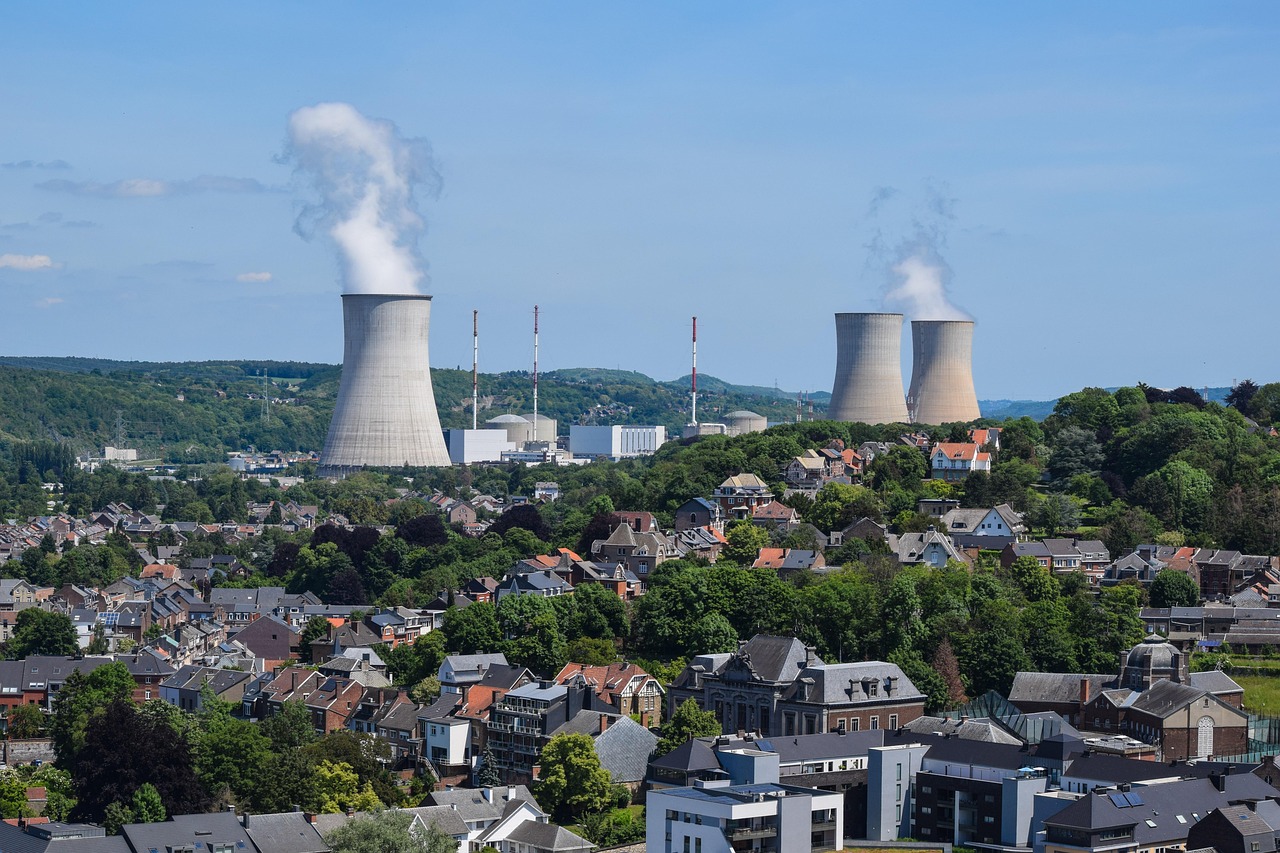
France shuts down nuclear reactors as a heatwave intensifies, with EDF temporarily taking three units offline to protect river ecosystems from overly warm discharge water.
Reactors taken offline amid record temperatures
EDF announced Sunday that Unit 2 at Golfech (1,300 MW), Unit 3 at Bugey (900 MW) and Unit 2 at Chooz (1,450 MW) are now offline. Together they represent about 3.65 GW, roughly 6 % of the nation’s 61 GW nuclear capacity.
The decision follows an environmental protection requirement. River water used for cooling must not raise river temperatures beyond limits set to safeguard aquatic flora and fauna, the spokesperson said.
There is no nuclear safety risk, the operator added, noting that reactors can operate under high‑temperature conditions but must respect the temperature caps.
Based on the latest forecasts, Bugey Unit 3 is expected to stay shut until 19 July, Golfech Unit 2 until 22 July and Chooz Unit 2 until 25 July. EDF said the schedule will be revisited if weather predictions change.
Broader impact on the grid and future heatwaves
Seven additional reactors may need to adjust output as temperatures climb, according to the same source. The French economy ministry recently granted an exemption for the Rhône temperature limit around the Bugey plant, valid through 20 July, to maintain grid security.
Related: All you need to know about airline stopover programs
This is the second instance in recent weeks where extreme heat forced the company to halt reactors, after a June heatwave set new temperature records. Drought‑related losses have historically been modest, averaging 0.3 % of annual nuclear generation since 2000.
EDF’s longer‑term adaptation plan, disclosed in early 2026, budgets €8.7 billion over the next 15 years to bolster resilience across nuclear, hydropower and island energy operations. One measure under review is pre‑cooling water from cooling‑tower blowdown before it returns to rivers, a system already in use at the Civaux plant.
For hydropower, the operator aims to improve flood management and sustain electricity output when river flows dip. Its island networks are being reinforced to handle rare wind events that could threaten power infrastructure.
While the immediate shutdowns affect a modest slice of capacity, they illustrate how climate‑driven temperature spikes can pressure a system built on water‑intensive cooling.
Utilities may need to rethink cooling strategies or diversify energy sources to keep supply stable without compromising environmental standards.
EDF says it will continue to monitor river temperatures and adjust reactor operations as needed, with the goal of balancing electricity demand and ecological protection throughout the summer.