
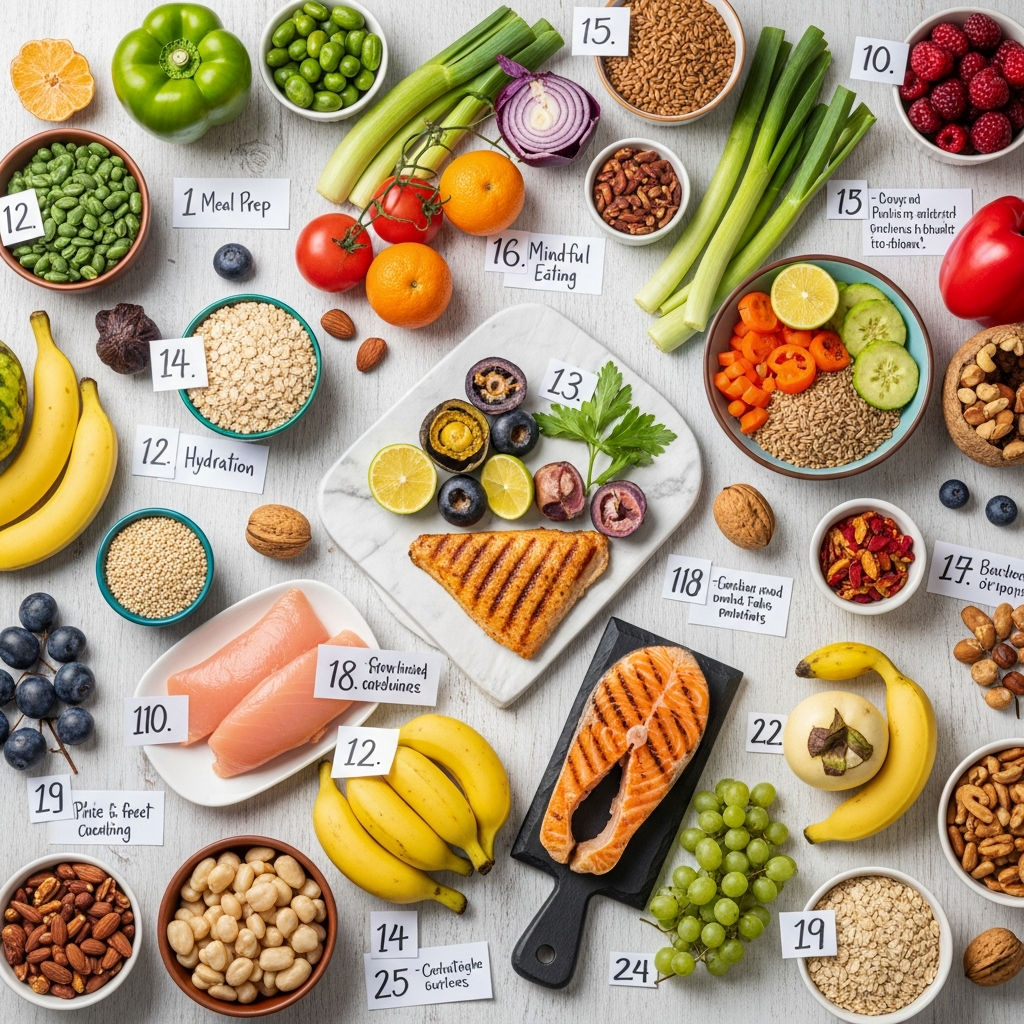
The Bio-Availability Fallacy: Why Your “Clean Diet” Is Nutritionally Bankrupt
The global wellness industry has sold you a lie: that eating “clean” is a simple matter of sourcing and avoidance. This is a reductionist fantasy. Most health-conscious individuals are currently consuming a diet that is biochemically invisible to their cells. You can buy the most expensive organic produce on the planet, but if you are ignoring the molecular synergy and enzymatic triggers required for absorption, you are effectively paying for expensive waste. To move from a hobbyist to an elite nutritional strategist, you must stop looking at food as “fuel” and start viewing it as a complex biological software update.
Phase I: Molecular Preparation and Enzymatic Activation
The way you physically manipulate your food dictates its chemical potential. Most nutrients are locked behind cellular walls that your digestive tract is ill-equipped to breach without mechanical or chemical intervention.
- 1. The “Chop and Wait” Rule for Crucifers: When you cook broccoli or kale immediately after cutting, you destroy the enzyme myrosinase. This prevents the formation of sulforaphane, the potent anti-cancer compound. Chop your greens and let them sit for 40 minutes before heat exposure to allow the chemical reaction to stabilize.
- 2. Decimate Lectins via Pressure: High-lectin foods like beans and nightshades are metabolic disruptors for many. Traditional soaking is insufficient. Use high-pressure cooking to denature these proteins, rendering them biologically inert and vastly improving gut permeability markers.
- 3. Sprout for Enzyme Inhibitor Neutralization: Seeds, nuts, and grains contain phytic acid which binds to minerals like zinc and magnesium. Sprouting isn’t a “crunchy” trend; it’s a biological necessity to unlock the mineral bioavailability hidden within the seed’s defense mechanism.
- 4. Fat-Soluble Pairing (The 10g Minimum): Vitamins A, D, E, and K are hydrophobic. If your salad doesn’t contain at least 10 grams of a high-quality lipid, the micronutrients in your greens are passing right through you. Stop using “fat-free” dressings; they are nutritionally counter-productive.
- 5. Black Pepper as a Metabolic Bridge: Curcumin (from turmeric) has a pathetic absorption rate. Pairing it with piperine (black pepper) increases its bioavailability by up to 2,000%. Without this specific pairing, turmeric is merely an expensive yellow dye for your digestive tract.
- 6. Allium Activation: Like crucifers, garlic requires the enzyme alliinase to create allicin. Crush or mince your garlic and wait 10 minutes before it hits the pan. Heat is the enemy of inactive alliinase.
Phase II: The Physics of Thermal Degradation
Heat is a double-edged sword. It can make nutrients more accessible or turn a healthy fat into a pro-inflammatory nightmare.
- 7. Avoid the Maillard Trap: The golden-brown char on your grilled chicken is a high concentration of Advanced Glycation End-products (AGEs). These are cellular “rust” that accelerate aging and cross-link proteins in your body. Steam or poach more often than you sear.
- 8. The Smoke Point Delusion: Extra Virgin Olive Oil is more stable than high-smoke-point refined oils because of its high antioxidant content. Stop using “vegetable” oils (seed oils) for high heat; their polyunsaturated nature makes them prone to oxidative rancidity before they even reach their smoke point.
- 9. Frozen is Often Superior: The “fresh” produce in your grocery store has been in a supply chain for weeks, losing 10-50% of its Vitamin C and folate. Flash-frozen produce is a nutritional time capsule, often far more potent than the wilted spinach in the “fresh” aisle.
- 10. Steaming vs. Boiling: Boiling is a nutrient heist. Water-soluble vitamins (B-complex and C) leach into the water and are discarded. If you aren’t drinking the cooking water, you are throwing away the most valuable part of the vegetable.
- 11. Resistant Starch Optimization: Cooking and then cooling potatoes or rice for 24 hours changes their molecular structure into resistant starch. This feeds your microbiome rather than spiking your insulin. Reheating them doesn’t reverse this process—it’s a permanent metabolic upgrade.
- 12. The Vitamin C Heat Limit: Never add lemon juice or honey to boiling water. Vitamin C and delicate enzymes in raw honey degrade rapidly above 140°F (60°C). Wait for your tea or dish to cool to a consumable temperature first.
Phase III: Glycemic Buffering and Hormonal Signaling
It’s not just what you eat, but the sequence and environment in which you eat it that dictates your hormonal response.
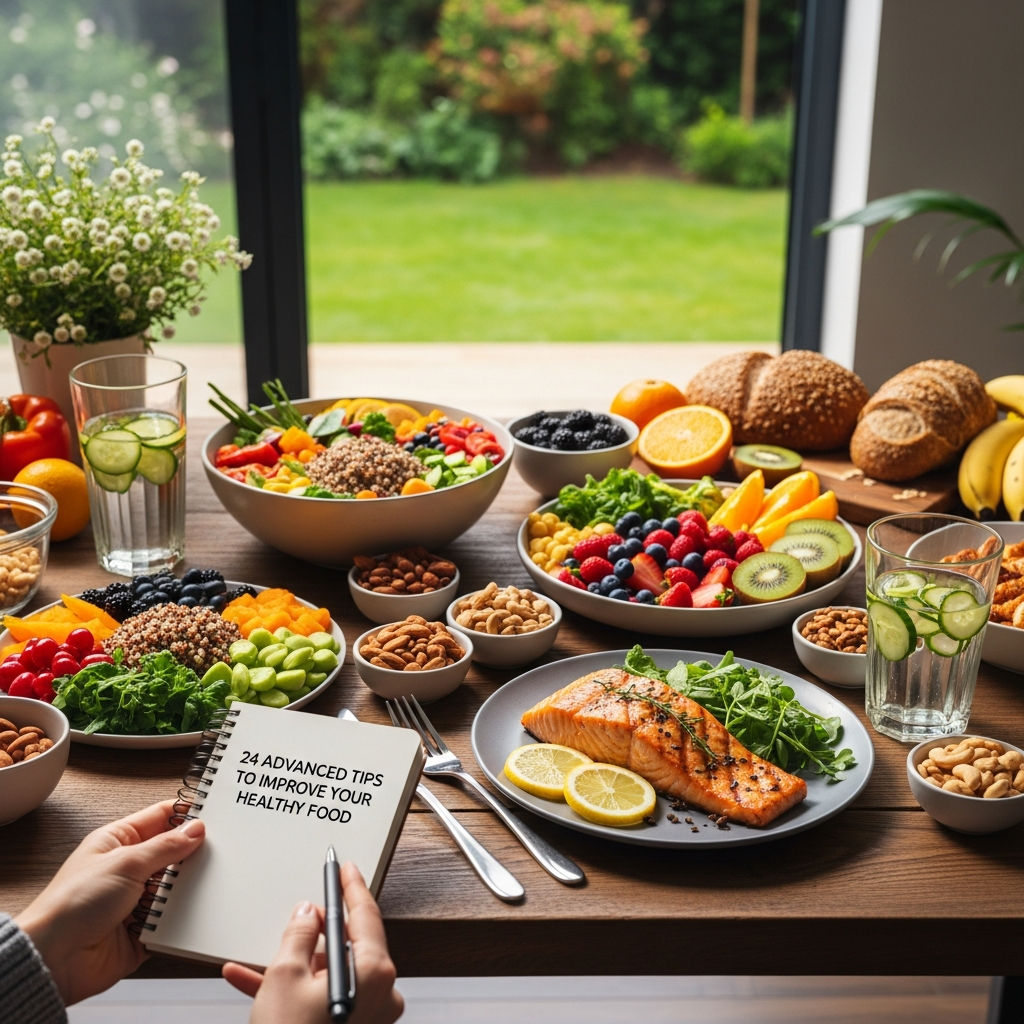
- 13. The Fiber First Protocol: Eat your fiber (vegetables) before your proteins and starches. This creates a viscous “mesh” in the small intestine that slows the absorption of glucose, flattening the insulin spike of the entire meal.
- 14. Vinegar Pre-Loading: A tablespoon of apple cider vinegar in water before a meal can reduce the postprandial glucose response by up to 30%. The acetic acid interferes with disaccharidase activity, essentially “braking” the sugar rush.
- 15. Salt Mineralization: Standard table salt is an industrial chemical. Use unrefined sea salt or Celtic salt. You aren’t just looking for sodium; you need the 70+ trace minerals that act as co-factors for cellular hydration and electrical signaling.
- 16. Bitters for Bile Flow: Modern diets have bred out “bitter” flavors. Incorporating dandelion greens or arugula before a heavy meal triggers the release of bile and digestive enzymes, preventing the “heavy” feeling of undigested fats.
- 17. The 20-Minute Satiety Lag: Leptin, the hormone that tells your brain you’re full, takes 20 minutes to signal. If you finish your meal in 10, you are virtually guaranteed to overeat. Speed is the enemy of metabolic regulation.
- 18. Hydration Timing: Do not drown your stomach acid with a liter of water during a meal. This dilutes hydrochloric acid and impairs protein breakdown. Hydrate 30 minutes before or 60 minutes after.
Phase IV: Advanced Sourcing and Anti-Nutrient Defense
The “organic” label is a baseline, not a gold standard. To optimize, you must look at the lipid profiles and chemical residues that labels hide.
- 19. The Omega-6/Omega-3 Ratio: Even “organic” chicken and pork are often fed a corn and soy diet, making their fat profiles highly pro-inflammatory (high Omega-6). Prioritize ruminant animals (beef, lamb) which have a naturally superior fatty acid profile, even when not 100% grass-fed.
- 20. Opaque Glass Storage: If your olive oil or avocado oil is in a clear plastic bottle, it is likely already oxidized by UV light. Only buy oils in dark glass. Light is a catalyst for lipid peroxidation.
- 21. The “Natural Flavors” Deception: This is a legal loophole for up to 100 secret ingredients, including excitotoxins that overstimulate your taste buds and disrupt your satiety signaling. If a “healthy” food has “natural flavors,” it is ultra-processed.
- 22. Goitrogen Awareness: If you have thyroid issues, stop eating large amounts of raw crucifers. Steaming them deactivates the goitrogens that compete with iodine for thyroid uptake.
- 23. Soil Depletion Compensation: Modern soil is minerals-bankrupt compared to 100 years ago. Focus on sea vegetables (dulse, nori, kelp) to regain the iodine and trace minerals that land-based vegetables can no longer provide.
- 24. Polyphenol Synergy: Red wine, dark chocolate, and berries are not just “treats.” When eaten together, their different classes of polyphenols (anthocyanins, catechins, resveratrol) create a synergistic antioxidant effect that is exponentially more powerful than any one of them in isolation.
The Industry Verdict
Improving your food is no longer about the simplistic “calories in, calories out” model. It is about bio-availability engineering. If you are not manipulating your food’s chemistry through timing, sequence, and temperature, you are a passive observer of your own health. The elite approach is to treat every meal as a series of chemical reactions where you are the lead scientist.