
Nicotine pouches — small, discreet, and smokeless — are gaining ground in Portugal, even before a full legal framework exists for their sale and advertising. Public health experts are raising alarms as these products, placed between the gum and the lip, release nicotine without combustion, setting them apart from conventional cigarettes and fueling a growing debate between industry, authorities, and health officials.
For months, these products were sold in tobacconists and kiosks in a legal vacuum. That began to change this year, when they were added to the list of tobacco and nicotine products subject to excise duty in Portugal. Against this backdrop, Tabaqueira, a subsidiary of Philip Morris International, moved ahead with the official launch of nicotine pouches on the Portuguese market.
“These products were available on the Portuguese market, but unregulated,” Tabaqueira’s managing director, Marcelo Nico, told reporters. “From the start of this year in Portugal a tax regime was introduced for these products; they are now subject to excise duty. Before the start of this year, any product on the market was in a legal limbo. That is why we did not enter the market until the beginning of this year.”
The executive frames the company’s launch within a broader strategy to replace conventional tobacco. “Our vision is to create a smoke-free world, where less harmful, smoke-free alternatives replace the traditional cigarette,” he says. According to Nico, this is “a product aimed at adult smokers looking for an alternative.”
Recognizing that nicotine is an addictive substance, he argues that regulation is essential. “All nicotine products have to be regulated, because nicotine is addictive. The key is to have regulation that allows these products to be sold to adult smokers, but also ensures that minors have no access to them, and that they are not attractive to this group, which is not the target audience for these products.”
With flavors such as mint, red berries, or mango, nicotine pouches raise concerns among experts, particularly because of their potential appeal to younger people and non-smokers. Sofia Belo Ravara, a pulmonologist at the Cova da Beira Local Health Unit and professor of Preventive Medicine at the University of Beira Interior, warns about the role of marketing and the absence of early regulation.
Related: EU and UNICEF send 100 tonnes of Ebola aid to DR Congo
“These products were introduced with extremely aggressive marketing, with eye-catching packaging and a strong presence on social media. All of this contributed to an increase in consumption, especially among young people,” she says.
Ravara stresses that flavors play a central role in dependence and believes that only by banning them will it be possible to slow consumption. “Flavors make the experience more pleasant, increase nicotine absorption and intensify dependence. That is one of the reasons why young people are attracted to these products,” the pulmonologist explains.
She also points out that this form of consumption does not eliminate risks. “Nicotine is rapidly absorbed through the oral mucosa and also continuously via saliva, which leads to constant levels in the body, increasing its addictive potential.”
Currently in Portugal, each pouch may contain up to 12 mg of nicotine, while a cigarette contains approximately 8 mg of nicotine — but only about 1 mg is absorbed when smoking. Although they don’t contain tobacco, the potential for dependence remains, as do the health risks, particularly regarding effects on the central nervous system.
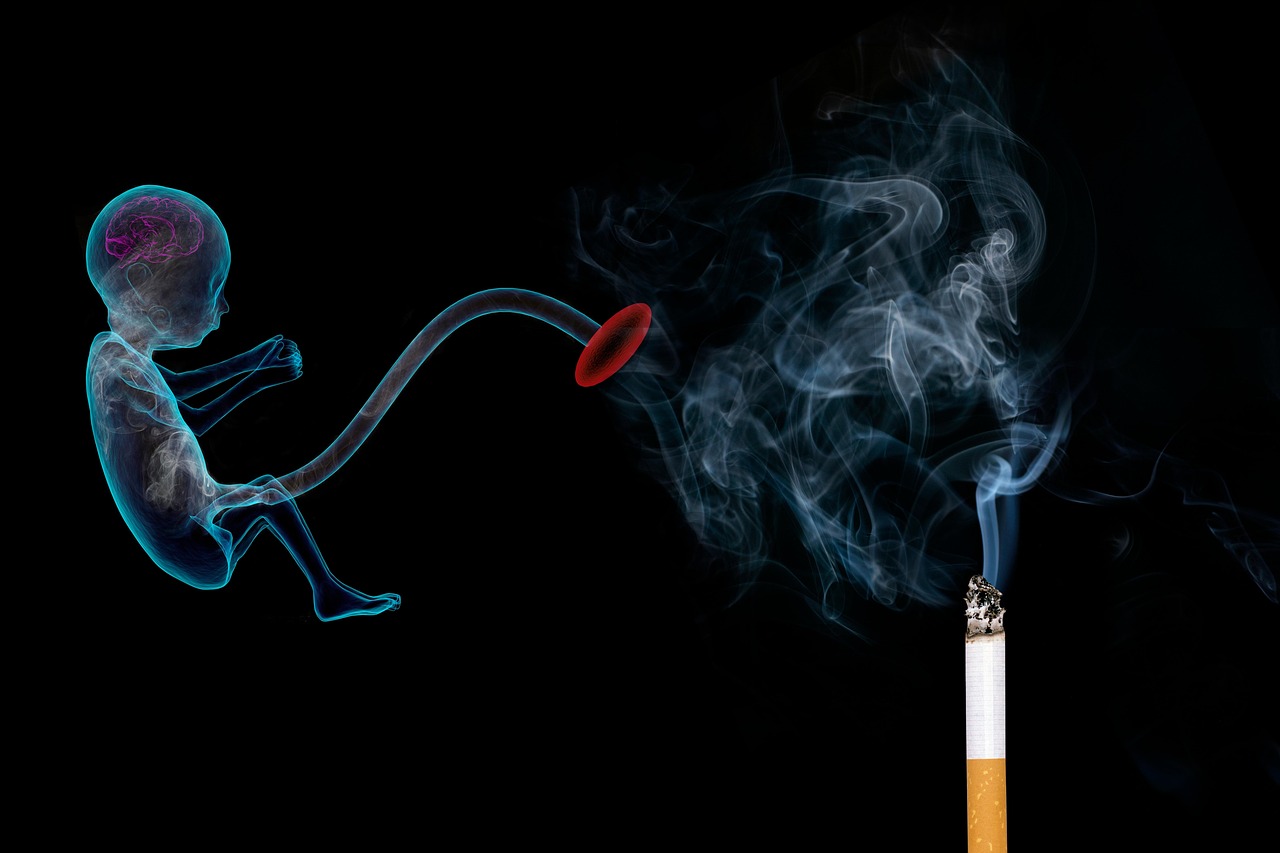
“The effects on the brain are perhaps the most worrying, especially because the people who are going to use these products are mainly children and adolescents and also young adults. Nicotine harms brain development, interferes with cognitive abilities and triggers changes in behavior. It interferes with memory, attention and impulse control, and also increases the risk of anxiety and depression,” warns Ravara.
She also stresses that the debate should not focus solely on comparing them with cigarettes. “The question is not whether they are less dangerous than tobacco, but whether they are safe, and they are not. They are toxic and highly addictive products,” she reiterates.
Related: Boston Scientific’s $1.5B bet signals heart valve battle
Experience in other countries shows this market can grow quickly and is difficult to rein in. Danish doctor Charlotta Pisinger helps illustrate this challenge, drawing a parallel with the Danish case. “In Denmark, nicotine pouches started being marketed around 2018–2019, at a time when there was no specific legislation. They were everywhere, especially on social media and at festivals, and were often handed out for free,” she explains.
The result was a sharp rise in consumption among young people. “Within just a few years they became very popular. In 2025, around 14% of young people in Denmark aged between 15 and 29 were using nicotine pouches.”
According to Pisinger, the regulatory response came late. “By the time we managed to introduce stricter rules, the products were already widespread. It is much harder to control once dependence has taken hold,” she stresses.
Denmark has adopted measures such as limiting flavors, plain packaging, advertising restrictions, and caps on nicotine content — each pouch may contain a maximum of 9 mg of nicotine and each tin can hold only 20 units. Even so, challenges remain, especially in the control of online sales, where there is no age verification of consumers through the presentation of an identity document.
The specialist has a warning for Portuguese authorities. “It is essential to act quickly. The longer you wait, the harder it will be to control the phenomenon. The industry claims these products are for smokers, but in practice it is recruiting new consumers among young people.”
The same warning was repeated by the World Health Organization this month, when it stressed that nicotine pouches “should not be considered risk-free,” and that nicotine “is extremely addictive and harmful, particularly to children and adolescents,” whose brain development may be affected.
Related: How to Make CBD oil?
According to the organization, early exposure to nicotine can affect attention and learning, increase the long-term likelihood of dependence and future use of tobacco products, and increase cardiovascular risks. In a report analyzing the marketing techniques of the industries producing these pouches, published to mark World No Tobacco Day on 31 May, it also notes that these products are being “aggressively marketed to adolescents and young people” and that the tactics used by the industry “are designed to normalize nicotine use and play down perceptions of risk.”
The UN agency cites as examples packaging that mimics sweet packets, bubble-gum flavors, promotion on social media, and sponsorship of concerts, festivals, and sporting events — including Formula 1. WHO has urged governments to adopt measures including bans or strict restrictions on flavorings; bans on advertising, promotion, and sponsorship; strict age-verification checks; clear health warnings; maximum limits on nicotine; and taxation to reduce affordability.
In Portugal, the government approved at the beginning of the month, in the Council of Ministers, a draft law creating a legal framework for nicotine pouches and is now preparing new rules to keep pace with the market’s expansion.
For Marcelo Nico, regulation is necessary but must be balanced. “It is important to have a clear framework that allows adult smokers to access alternatives, while protecting minors,” he argues.
Sofia Belo Ravara favors a more restrictive approach. “We have to apply the precautionary principle. We know nicotine is harmful and that these products are reaching younger people. That should be enough to act,” she says, stressing that the “path from experimentation to regular use is extremely rapid.”