
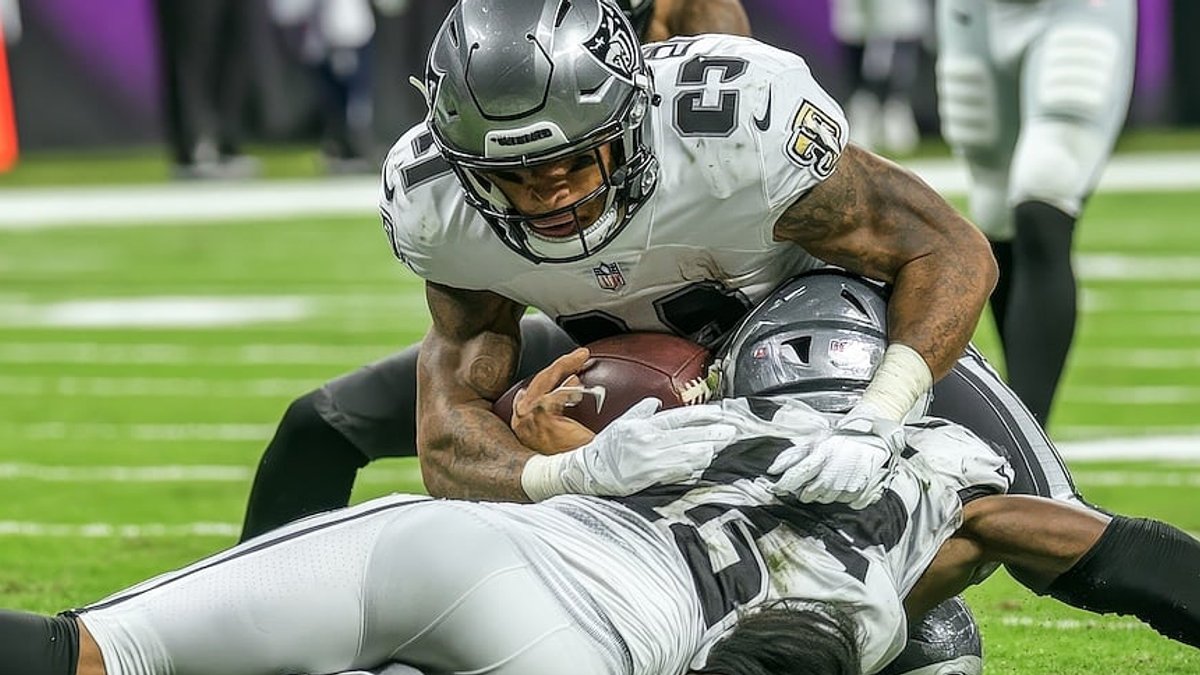
Up to 3 out of 4 NFL players who died recently were affected by CTE brain damage, a new analysis suggests.
The research, published in JAMA Network Open on Oct. 29, 2026, estimates that 75% of former NFL players who died between 2008 and 2023 had CTE. This compares to fewer than 1% of people from the general population who have donated their brains to science for similar examination.
The team from Boston University School of Public Health analyzed 387 NFL player brain donations and found 94% showed neural damage linked to CTE. However, former players with cognitive issues are approximately five times more likely to donate their brains posthumously, creating a potential bias in the data.
To adjust for this, researchers cross-referenced death records for all 2,362 NFL players who died during the period. They focused on those whose deaths were attributed to degenerative brain diseases or dementia, using these causes as indicators of possible CTE symptoms. Lead researcher Julia Gallini emphasized that while CTE can only be definitively diagnosed after death, the pattern of deaths suggests a high prevalence among retired players.
“As many as 3 of 4 NFL players who died in the past 15 years were suffering from chronic traumatic encephalopathy (CTE), a degenerative brain disease caused by repetitive head impacts, a new study has found.”
The findings align with previous research showing NFL players develop dementia at four times the rate of the general public—more than any other profession. Matt Hasselbeck, an 18-year NFL veteran and study ambassador, acknowledged the emotional weight of the data. “It’s hard to learn what the guys who built the game have suffered through,” he said. “I can’t take back the hits I took, but I can sign up for research and do whatever I can to help the scientists so they can find a cure in my lifetime.”
Dr. Rosanna Sabini of Northwell Health Concussion Program explained that early signs can include mood swings or “explosiveness, being impulsive, having a short fuse.” As the condition progresses, it may lead to cognitive impairment, behavioral changes, memory loss, and motor issues resembling Parkinson’s disease.
This bias complicated efforts to determine true CTE prevalence among all deceased NFL players.
Extrapolation Methodology and Limitations
Sabini noted that American football has more extensive brain donation programs than other contact sports, which may influence the visibility of CTE in this population.