
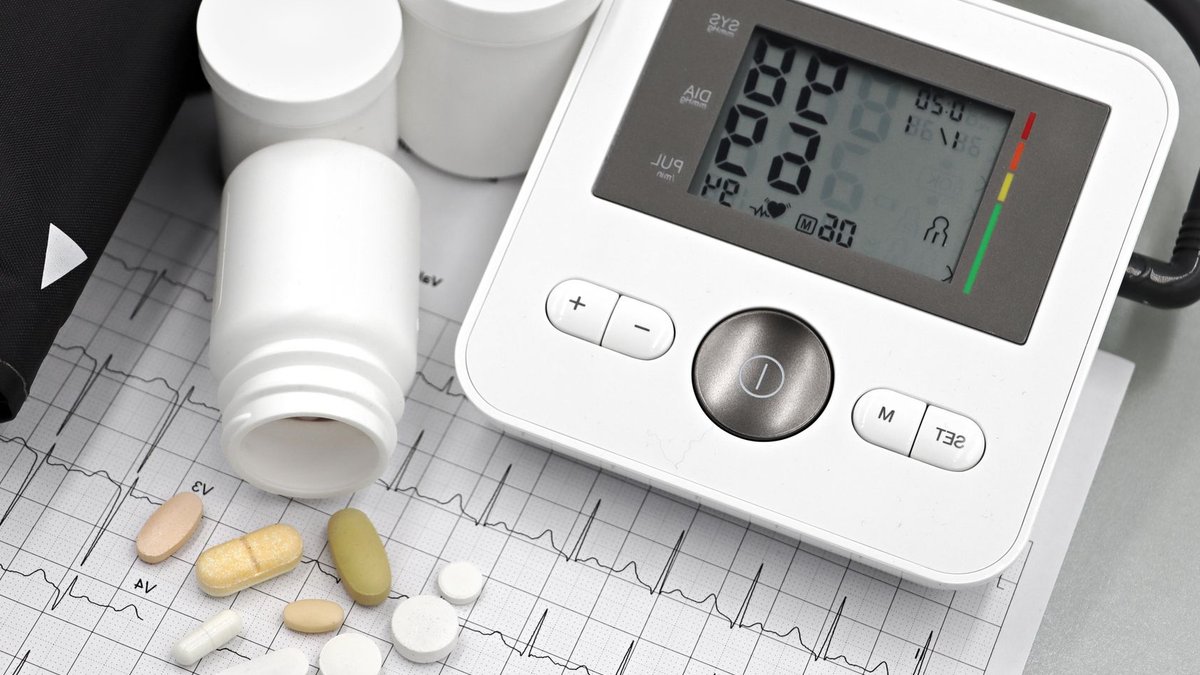
Former New York Yankees pitcher CC Sabathia is using a health scare to remind the public that high cholesterol often carries no warning signs. The baseball Hall of Famer underwent a stent procedure in 2018 after experiencing chest pain and vomiting at age 38. Doctors found a blocked artery during that episode, a discovery that changed how Sabathia approaches his health. He now urges people to monitor their numbers, specifically LDL cholesterol, and consult a physician.
Why Cholesterol Causes No Symptoms
High cholesterol rarely produces symptoms, yet it can lead to plaque buildup inside arteries. This accumulation narrows blood vessels, limiting oxygen flow to the heart, brain, and legs. The result is an increased risk for heart attack, stroke, and peripheral arterial disease. Because the condition is so quiet, regular screening is essential for long-term heart and brain health. The American Heart Association and the American College of Cardiology recommend routine assessment as a key part of preventing cardiovascular events.
Cholesterol is a waxy substance the body uses to build cells and hormones, but blood levels must remain controlled. When cholesterol levels stay raised, cholesterol can mix with other materials to form a hard deposit on artery walls. Over time, these deposits restrict blood flow. This process is gradual and often goes unnoticed for years until a major blockage causes a heart attack or stroke. The silent nature of the progression is what makes routine blood tests so valuable for catching the issue before it becomes critical.
Most of the cholesterol in the human body is produced by the liver. This production is largely determined by genetics. The rest comes from diet, particularly animal products. Red meat, fried chicken, shrimp, lobster, cheese, and butter all contain significant amounts of dietary cholesterol. Saturated fats found in tropical oils like palm and coconut oil also play a role, as do trans fats often hiding in processed foods. These fats can raise blood cholesterol levels more than the cholesterol in food itself.
Understanding Good and Bad Cholesterol
Cholesterol comes in two primary forms, distinguished by how they move through the bloodstream. Low-density lipoprotein, or LDL, is often called the bad cholesterol. High levels of LDL are directly linked to plaque formation in blood vessels, which can lead to heart disease and stroke. The goal for LDL levels depends on an individual’s overall risk. For people with diabetes or moderate plaque buildup, the goal drops to less than 70 mg/dL. Those with severe plaque buildup or a history of heart events should aim for below 55 mg/dL.
High-density lipoprotein, or HDL, serves as the good cholesterol. It helps transport cholesterol away from the arteries and back to the liver for processing. Higher levels of HDL are generally associated with a lower risk of heart disease and stroke. Triglycerides, another type of fat in the blood, can also contribute to cholesterol buildup. High triglyceride levels often result from diets high in saturated fats and added sugars.
When analyzing cholesterol results, doctors do not look at the numbers in isolation. A lipid panel measures total cholesterol, LDL, HDL, and triglycerides, but these figures are assessed alongside other risk factors. High blood pressure, obesity, diabetes, and smoking all complicate the cardiovascular risk profile. This view helps determine the most appropriate management strategy for each patient, considering all relevant factors.
Dietary adjustments are usually the most influential single step a person can take. Focusing on lean sources of animal protein, such as fish, and increasing dietary fiber from vegetables, fruits, and whole grains can help lower cholesterol levels. Regular physical activity, better sleep, and avoiding tobacco also improve the lipid profile and support overall heart health.
When Diet and Exercise Are Not Enough
For many people, diet and exercise alone are not enough to reach healthy cholesterol levels. Medications that lower LDL-C are often used in conjunction with lifestyle changes. These drugs are particularly helpful for those with genetically high cholesterol or inherited conditions like familial hypercholesterolemia. Decisions regarding medication should always be made in consultation with a primary care clinician or cardiologist.
Managing cholesterol is not about achieving perfection. The focus should be on understanding current levels and reviewing management options with a healthcare provider. This ongoing conversation helps patients find a routine that fits their life and health goals while keeping the risk of heart attack and stroke as low as possible.
A simple blood test called a lipid panel measures cholesterol. These results are not interpreted in isolation.
How Genetics and Lifestyle Affect Risk
Family history and inherited conditions, including familial hypercholesterolemia, or high LDL cholesterol, are risk factors. Eating patterns high in saturated fats and dietary cholesterol also contribute to high cholesterol.
How You Treat And Manage It
Healthy lifestyle habits are the foundation of cholesterol management, and small changes may add up over time. Dietary adjustments are the most influential lifestyle change to make.