
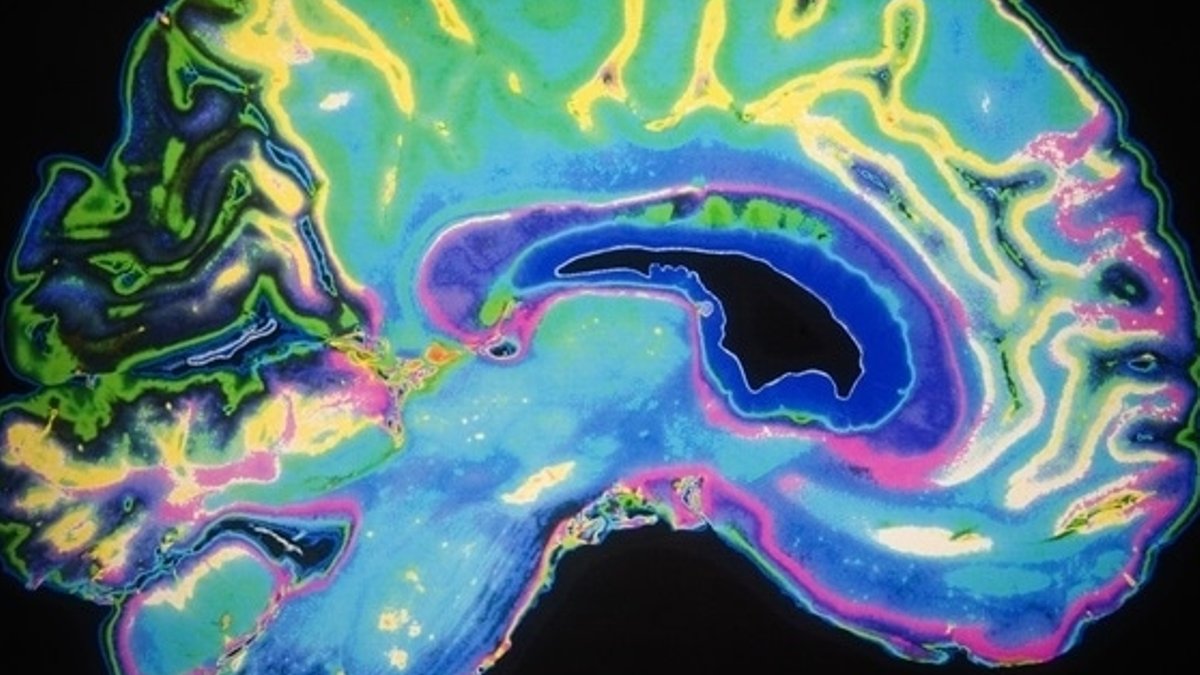
Neurotechnology offers hope for better anxiety and depression treatments, according to researcher Sandra Klonteig. The World Health Organization reports that more than one billion people are currently living with mental health disorders, with anxiety and depression being the most common conditions.
Klonteig, a research scientist at SINTEF, believes technology can help achieve the goal of rapid diagnosis and finding the right treatment for people struggling with mental health issues. She has focused her work on methods within neurotechnology, which make it possible to measure and better understand the brain.
Understanding the Brain
Neurotechnology can be used to influence or regulate brain activity, as well as for various forms of assessment and treatment—in cases of injury or brain disease, for instance. The brain is amazing, but not without flaws, and can be impacted by injuries and diseases that have serious consequences, such as paralysis, dementia, and mental health disorders like depression.
In the long run, this technology might enable doctors to detect changes in a person’s brain and mental health before the individual notices them, contributing to better prevention, earlier diagnosis, and more targeted treatment of mental disorders, says Klonteig.
Using sensors and neurotechnology, Klonteig examines analyses of fNIRS data, a technology that measures blood flow in the brain, providing information on which parts of the brain are active and consuming energy.
Advances in Neurotechnology
Neurotechnology is a rapidly evolving field of research, with developments such as tiny chips that can be implanted in the brains of mice, testing new drugs for neurodegenerative diseases, and utilizing non-invasive measurements of brain activity. Klonteig notes that many of these technologies are no longer pure fantasy, but rather a reality that can be used to improve mental health treatments.
Imagine visiting your doctor because you aren’t feeling well, and after some brain examinations, you are told that the tests suggest a specific treatment that would be highly effective for you. A couple of weeks later, you return, and the doctor might be able to tell you that your brain is already showing signs of change, even though your symptoms haven’t improved yet, says Klonteig.
Biological changes can occur before clinical signs become visible, and tests might show that the treatment isn’t having the desired effect, and that it would be better to try something else. This is where the greatest potential lies, according to Klonteig, as it could spare patients weeks or months of uncertainty and unnecessary stress.
To reach this point, researchers need to understand the brain mechanisms underlying mental disorders, which are the mechanisms that researchers are now trying to measure, using methods such as eye-tracking.
Eye-tracking, for example, is a method that can be useful for studying attentional bias, the tendency to focus one’s attention on the negative aspects of a situation, which can help reinforce a negative spiral and lead to depression or other mental health challenges, says Klonteig.
Another approach involves measuring abnormalities in the brain’s functional networks, which are linked to both cognitive and emotional functions, and using solutions like sensor-equipped headgear, which is a more practical and non-invasive technology, according to Klonteig.
Klonteig works in the Health department at SINTEF Digital. Her background lies at the intersection of technology, neuroscience, and health. She conducts research on the human body and the brain using sensors and neurotechnology.