
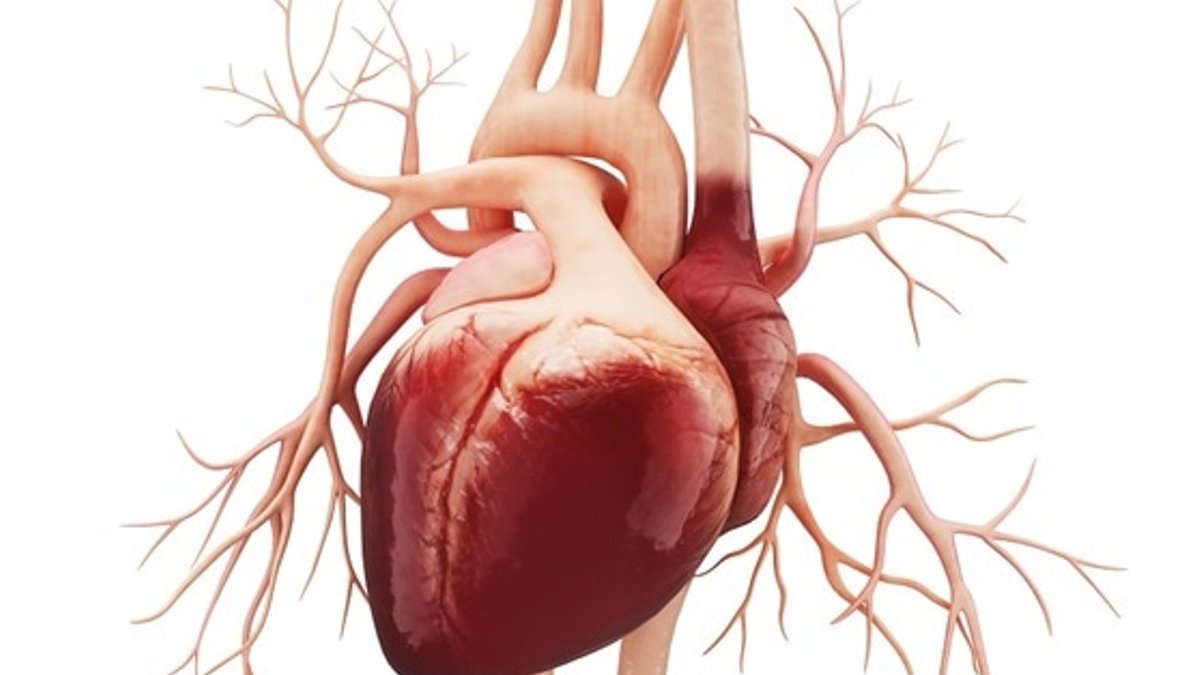
New research tracking weightlifters for nearly a decade has found that long-term use of anabolic-androgenic steroids (AAS) causes lasting heart damage, even at lower doses. The study, published Tuesday in European Heart Journal Cardiovascular Imaging, followed men engaged in strength training and discovered sustained thickening of the heart’s left ventricular wall, along with reduced ability to pump and relax effectively.
Study Follows AAS Users Over Time
The research team, led by Dr. Vibeke M. Almaas, senior consultant at ProCardio Center for Research Based Innovation, Department of Cardiology, Rikshospitalet, Oslo University Hospital, tracked 70 AAS users and 35 non-users who participated in an earlier study between 2017 and 2019. Of those who re-enrolled, 70 were AAS users and 35 were non-users, who acted as the control group.
Among those who had been users in the earlier study, 35 continued to use anabolic steroids, 15 had discontinued using them, 14 maintained abstinence, and six had relapsed during the follow-up period. It was still unclear whether the cardiac abnormalities demonstrated in previous studies, including increased heart muscle thickness and reduced cardiac function, progress with continued exposure or whether they improve with dose reduction or after cessation. To address this knowledge gap, we conducted a follow-up of our previously published group of male AAS users engaged in recreational strength training.
The study found that only complete cessation of AAS use combined with treatment for high blood pressure produced measurable heart improvements. Among the 15 men who stopped steroids entirely, left ventricular mass indexed for body surface area dropped from 112 g/m² to 91 g/m²—a 19% reduction matching non-users. Their ejection fraction, indicating pumping efficiency, improved by 13% to 54%.
Read Also: New AI tool distinguishes epilepsy from functional seizures
However, these improvements did not fully restore function to non-user levels, where ejection fractions averaged 60%. AAS users without treatment for high blood pressure saw an 8% decline in ejection fraction over time, while those receiving treatment improved by 11%, though heart muscle thickness remained unchanged. As many as 17% of continuing users exhibited severely reduced heart function.
Reversibility of Cardiac Effects
Dr Almaas emphasized that discontinuing AAS use combined with abstinence could reverse some heart damage. She noted that ongoing steroid use even at reduced doses did not improve cardiac outcomes. Treatment for high blood pressure further aided recovery by enhancing pumping efficiency, though muscle thickening persisted in some cases. The study suggests these effects may become comparable to non-users over time, though complete normalization remains uncertain. Discontinuation of AAS use was associated with a reduction in heart muscle thickening and improvements in cardiac function, suggesting that at least some of these adverse effects may be reversible after stopping, and may even become comparable with the non-users in the control group, said Dr Almaas.
Limitations and Broader Implications
Dr Bjørnebekk highlighted the importance of prevention and harm reduction strategies. Despite Norway’s 2013 ban on non-medical AAS use, national reports indicate continued use of performance- and appearance-enhancing drugs. The study’s small sample size and self-reported data may introduce bias, as some participants did not return for follow-up assessments. Information on treatment for high blood pressure was only available for the follow-up study, and lifestyle factors, stimulant use, high blood pressure, or other health problems may have affected the results. Additionally, the study