
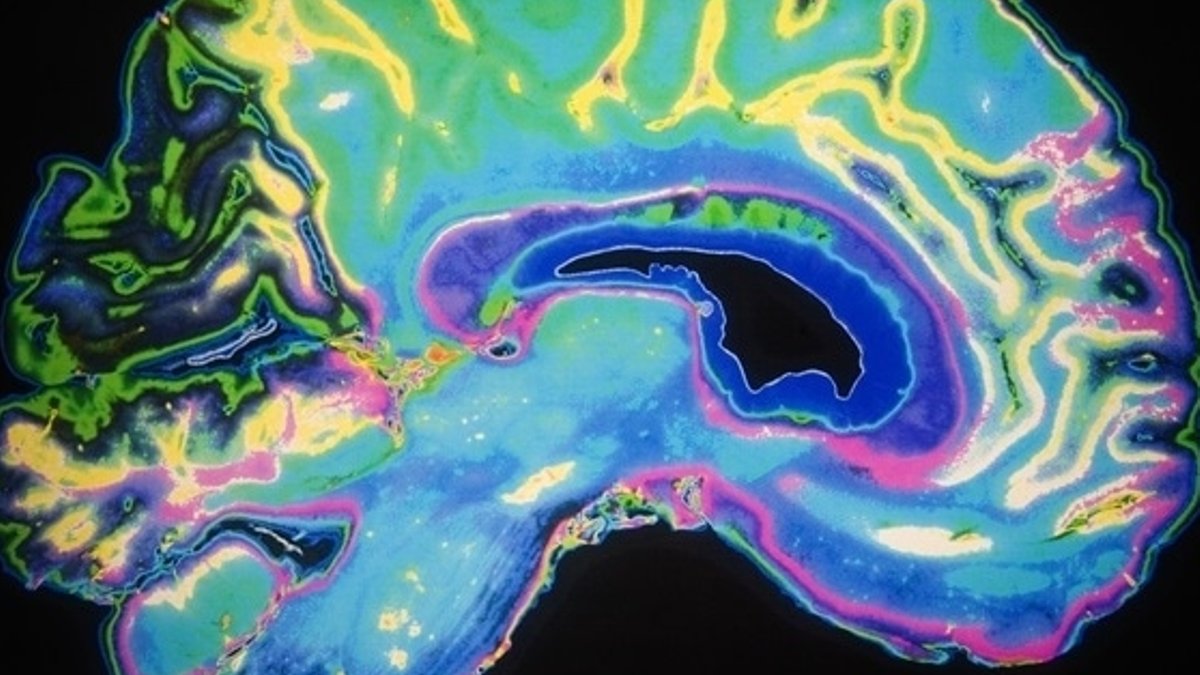
A study published in Science Advances shows that loss of the enzyme ALDH7A1 in two different organs drives separate features of pyridoxine-dependent epilepsy, a rare inherited disorder.
Loss of the enzyme in the liver raises seizure risk
Researchers created mice in which the gene could be deleted only in hepatic cells. Those animals displayed a lower threshold for convulsions compared with normal mice.
When the same gene remained intact in the liver but was removed elsewhere, the mice did not show the heightened seizure susceptibility, indicating that the liver’s role is distinct.
Brain-cell deficiency produces mood-related changes
In a separate line, the gene was knocked out specifically in astrocytes, the star-shaped cells that support neurons. Those mice showed depressive-like behavior, reduced motivation and poorer self-care, without an increase in seizure frequency.
Further analysis revealed that astrocyte loss disrupted antioxidant defenses, leading to lower activity in neurons of the prelimbic cortex, a region linked to emotional regulation.
These findings add to growing evidence that a single genetic mutation can generate neurological and psychiatric outcomes through different biological routes.
Broccoli-derived sulforaphane improves behavioral symptoms
The team tested sulforaphane, an antioxidant found in broccoli sprouts, by adding it to the diet of the astrocyte-deficient mice. The compound raised levels of the NRF2 pathway, which protects cells from oxidative stress.
Read Also: Scientists uncover rare cells that may help cancer evade immunity
After treatment, the mice displayed improved mood-related measures, while seizure susceptibility remained unchanged, showing that the mechanisms are separate.
“The fact that sulforaphane could improve the psychiatric phenotype while not preventing seizures was especially informative,” said Dr. Akira Sawa, director of the Johns Hopkins Schizophrenia Center.
Implications for future therapy
High doses of vitamin B6 already help control seizures in patients with this condition, but psychiatric and cognitive issues often persist. The study suggests that targeting brain antioxidant pathways could complement existing seizure management.
Future clinical trials may explore sulforaphane as an adjunct treatment, focusing on its ability to restore redox balance in astrocytes.
Funding for the research came from the National Institute of Mental Health and the National Institute on Drug Abuse, with contributions from multiple Johns Hopkins departments and international collaborators.
Similar organ-specific effects have been reported in other metabolic epilepsies, where peripheral metabolism influences seizure thresholds while central nervous system changes affect behavior.