
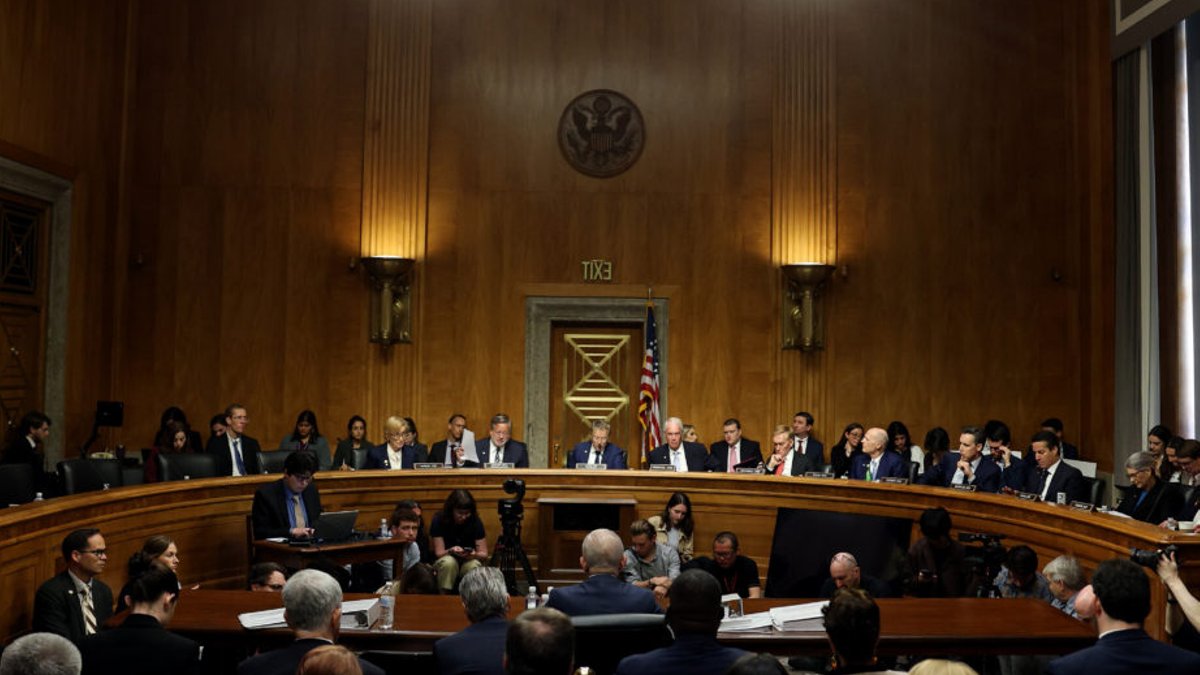
The Senate Homeland Security and Governmental Affairs Committee voted Thursday to hold Anthony Fauci in contempt of Congress after he invoked the Fifth Amendment during a hearing on his pandemic‑era leadership, and a Senate vote on his fate is pending.
Calls for a Systemic Review of the Covid Response
In the wake of the contempt vote, some observers argue that accountability should go beyond individual blame and focus on the structures that guided the United States’ Covid‑19 response. They propose establishing a 9/11 Commission‑style independent body to examine how decisions were made, how data flowed, and where gaps existed between federal guidance and state implementation.
During the first months of 2020, hospitals faced mortality rates of 20 % to 30 % among admitted Covid patients, with some facilities reporting even higher figures. Clinicians were forced to act with limited evidence, relying on existing infectious‑disease models, historical precedents, and consensus among experts. As the pandemic unfolded, recommendations on personal protective equipment, school closures, and protection of vulnerable populations evolved in response to new data.
Related: Measles Elimination Status Assessment Details
The proposed commission would map out the decision‑making process and identify weaknesses in public‑health data infrastructure.
Proponents say a transparent, nonpartisan inquiry could separate factual shortcomings from political narratives. The recent congressional hearing, they note, was dominated by anger and did not explore who held authority, how evidence was interpreted, or which failures stemmed from individual judgment versus systemic weakness.
Supporters caution that the review must avoid turning into a political score‑settling exercise. They argue that the goal should be to protect communities and health‑care systems in future emergencies, not to single out any one individual. The process would examine how consensus panels, task forces, and clinical teams contributed to policy formation, recognizing that visible spokespersons often represent broader advisory groups.
Related: Foreign student visa rules threaten US science
Critics, however, worry that an additional bureaucracy could slow decision‑making in future crises. They contend that existing oversight mechanisms, such as the Office of the Inspector General and congressional committees, are sufficient if properly utilized. The debate continues over whether a new, dedicated commission would add value or simply replicate existing structures.
Regardless of the outcome, the Senate’s contempt vote highlights the heightened scrutiny of the pandemic response.