
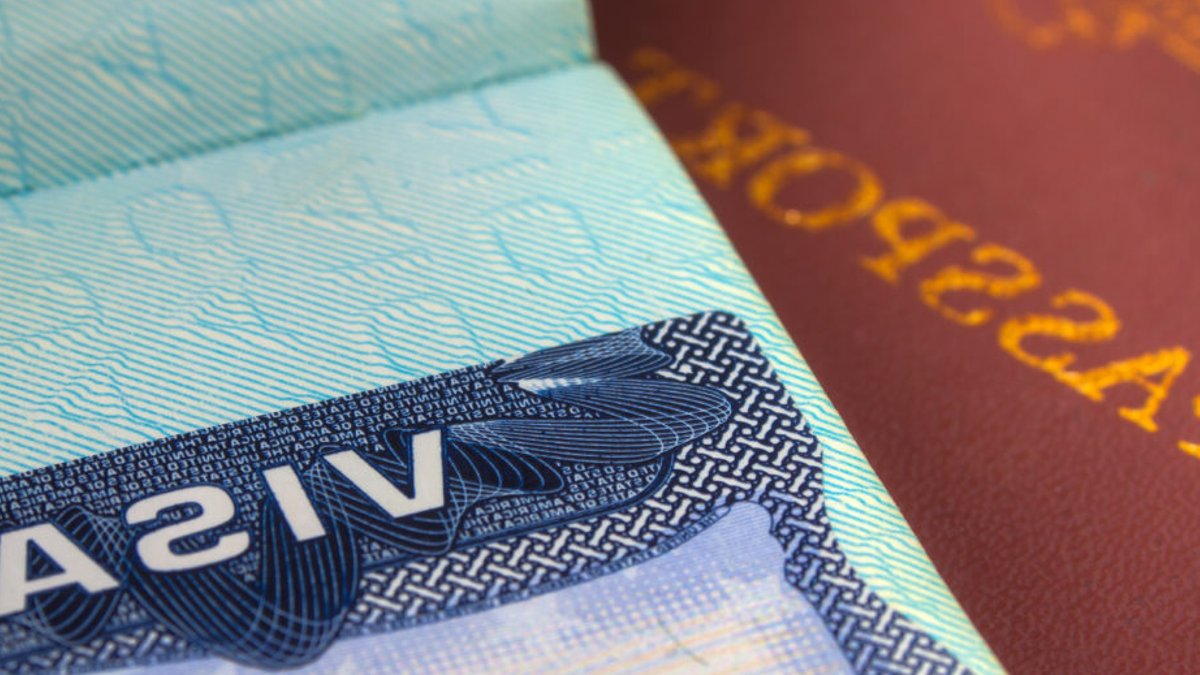
The Trump administration will soon impose a four-year limit on visas for foreign Ph.D. students and postdoctoral researchers, ending a nearly 50-year policy that allowed them to stay in the U.S. for the duration of their training.
The new rule, set to take effect September 15, requires international students and postdocs to apply for extensions if their programs exceed four years. Those already in the country won’t need an extension if their training ends before September 2030, even if they’ve been in the U.S. longer than four years.
Policy change draws sharp criticism from research community
The Department of Homeland Security states the change is necessary to prevent individuals it claims exploit the current system by enrolling in courses to avoid leaving. Academics, immigration experts, and student advocates warn the stricter policy will discourage international researchers, who accounted for nearly a quarter of life science Ph.D. graduates and 59% of postdocs in 2023.
“This rule puts the U.S. at risk of losing key individuals to global competitors,” said Thomas Kimbis, CEO of the National Postdoctoral Association. “We need to make our environment attractive and competitive. The measure moves us in the wrong direction.”
Related: Caucasus and Central Asia emerge as investment frontier
The average biomedical Ph.D. takes five to six years to complete, meaning most foreign graduate students would need to apply for extensions. Postdoctoral appointments vary, but federal data shows about 20% of postdocs work in the role for more than six years.
DHS did not respond to questions about how extension applications will be evaluated. Instead, officials referred to a press release in which DHS Secretary Markwayne Mullin called the existing policy outdated, claiming it “compromised national security and created an environment ripe for immigration fraud.”
The agency cited over 2,100 foreign students who entered the U.S. between 2000 and 2010 and were still listed as students in April 2025. No details were provided on how many of those cases involved fraud or whether they remained in the country.
Existing oversight already tight, critics say
Immigration attorney Elizabeth Goss argues the government’s justification doesn’t hold up. Foreign students have been closely monitored for over two decades through the Student and Exchange Visitor Information System, a federal database tracking their enrollment and status.
Related: Medtech firms adapt to changing product cycles
“These people are already the most regulated population of nonimmigrant visa holders in the country,” she said. “I think it’s an excuse to limit how many people are coming into the United States.”
The policy has faced widespread opposition. A draft version last year drew nearly 22,000 public comments. The University of California system warned the rule would overwhelm DHS with extension applications—one campus estimated over 4,500 students would need to apply annually.
The policy’s long-term effects may not be immediate.
Universities and researchers are already preparing for disruption. For decades, the U.S. has relied on international talent to fill gaps in its scientific workforce—gaps domestic training alone hasn’t closed. The warning signs of a shift toward other countries are already visible.