
Research published in Nutrients indicates that consuming whey protein prior to meals may reduce post-meal blood sugar spikes in individuals with type 2 diabetes and prediabetes. The study aimed to clarify evidence and guide future clinical nutrition approaches by narratively synthesizing randomized controlled trials (RCTs) indexed in PubMed through April 7, 2026.
The review analyzed 57 randomized controlled trials examining the effects of milk and dairy products on glycemic control. The study identified 246 records, screened 176 after removing duplicates, and included these 57 studies: 46 focused on type 2 diabetes mellitus (T2DM) and 11 on prediabetes. While increasing overall dairy intake showed mixed results, targeted strategies like whey protein preloads demonstrated more consistent benefits.
Whey Protein Preloads Show Promise
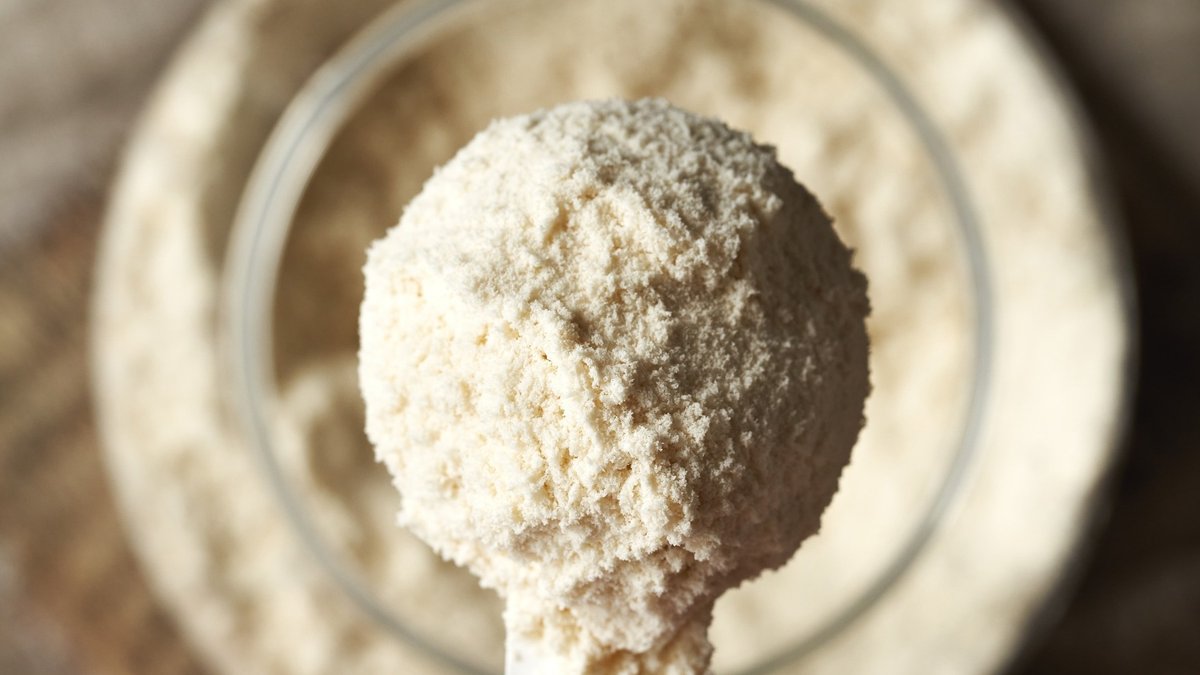
Researchers found that consuming 15 to 50 grams of whey protein before meals could improve short-term postprandial glucose regulation. One study showed a 28% reduction in post-meal glucose exposure with a 50-gram whey preload taken 30 minutes before breakfast. This effect was attributed to increased insulin and intact GLP-1 responses, though higher hormone concentrations did not always correlate with better glucose control.
Conflicting Evidence on Dairy’s Role
The scientific community remains divided on dairy’s metabolic effects. While the 2025–2030 Dietary Guidelines for Americans recommend daily full-fat dairy, clinical studies offer conflicting evidence on whether dairy fats and proteins protect against or worsen metabolic health. Decades of research link T2DM and prediabetes to insulin resistance and β-cell dysfunction, yet dairy’s role remains unclear due to varying product formulations and study outcomes.
The review found that chronic dairy intake showed no uniform glycemic benefits, with outcomes depending on specific product formulations. Included RCTs indicate that increasing low-fat or high-fat dairy intake to 3 or more daily servings did not significantly change participants’ HbA1c, fasting glucose, or HOMA-IR indices compared with habitual diets.
In one trial, a high-energy breakfast enriched with whey reduced HbA1c by 0.89 percentage points over 12 weeks, outperforming other protein or carbohydrate-rich breakfasts. However, adding whey to exercise programs showed no additional HbA1c benefits.
Dairy’s Complex Role in Diabetes Management
The review grouped interventions by dairy type, including fluid milk with varying fat contents, fermented products like yogurt and kefir, fortified dairy, and isolated proteins such as whey and casein. Researchers assessed fasting plasma glucose, HbA1c, fructosamine, insulin resistance measures like HOMA-IR, and postprandial incretins including GLP-1 and GIP concentrations.
One trial found greater insulin resistance in overweight adults, including those with prediabetes, on a low-fat, high-dairy diet versus a red-meat-based diet, particularly in women.
Specific Dairy Formulations and Prediabetes Trials
Selected fortified and fermented dairy products, like vitamin D- and calcium-enriched yogurt drinks, improved some glycemic and insulin sensitivity measures, though effects varied across studies. These benefits may stem from added nutrients rather than dairy itself.
In prediabetes trials, yogurt with heat-treated Lactiplantibacillus plantarum (OLL2712) modestly reduced HbA1c at 12 weeks compared to conventional yogurt, but the effect was not sustained after treatment stopped. A small study found that a milk protein hydrolysate preload helped just over half of 21 participants return their HbA1c below the prediabetes threshold after six weeks, though lasting remission was not established.
Combining a whey preload with the DPP-4 inhibitor vildagliptin in one acute trial improved post-meal glucose regulation more than either intervention alone, suggesting potential for further research.