
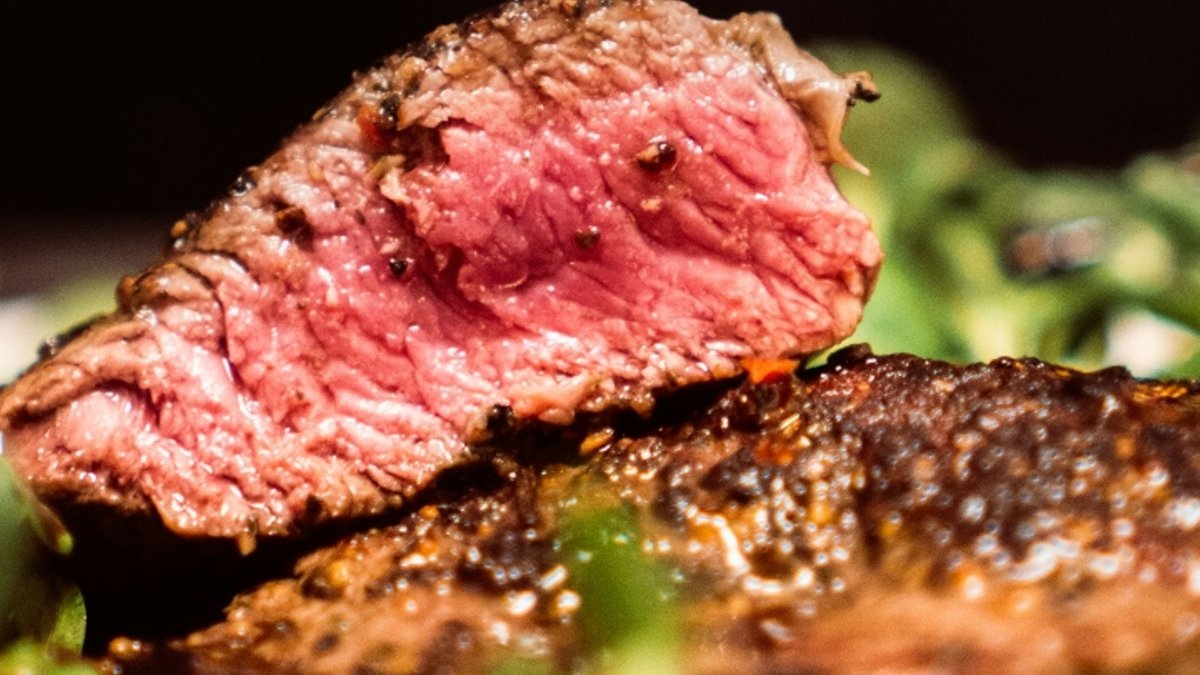
Quality protein is essential for building muscle and maintaining energy during intense workouts, yet local grocery stores often fail to deliver the consistent cuts needed for serious fitness goals. Online meat delivery services bridge this gap by bringing restaurant-grade beef, pork, and poultry directly to consumers. Understanding how to compare these services helps shoppers find the best meat for their health and fitness needs, focusing on transparency, sourcing, and delivery methods.
The best meat delivery brands prioritize transparency in their sourcing. When you’re serious about wellness, understanding where your protein comes from matters just as much as how it tastes. Shoppers should look for services that emphasize farm-to-table practices and humane animal treatment. When evaluating meat sources, prioritize lean, high-quality protein that supports muscle growth. You’ll encounter terms like USDA grades, which classify beef quality based on marbling and age. USDA Prime is the highest grade, while grass-fed refers to cattle raised on pasture, and grain-finished means they were fed grains before processing. Animal welfare claims vary widely, so prioritize certifications from recognized organizations.
Pricing and Delivery Models
Delivery methods significantly affect texture and flavor. Fresh meat arrives ready to cook, making meal planning effortless, while frozen meat offers a longer shelf life and convenience, reducing waste when you order in bulk. You’ll also need to plan ahead for proper thawing. Consider your cooking habits and storage capacity when deciding which delivery method works best. Premium meat delivery services typically have higher price points, but the quality and nutritional density often mean you need smaller portions to feel satisfied. You’re also paying for expert butchery, superior sourcing, and convenient delivery.
Related: Heart transplant candidates fail if they get too weak, new program tries inpatient prehab
When comparing services, examine the price per serving rather than the total order cost. A pricier service that delivers perfectly portioned, premium cuts may offer better value than a budget option with inconsistent quality. This pricing structure reflects the cost of maintaining strict standards. Lobel’s of New York stands out as one of the premier options for customers who refuse to compromise on meat quality. It brings six generations of master butcher expertise to every cut, with the Lobel family hand-picking only the top tier of USDA Prime beef. Lobel’s of New York has a patented dry-aging process, with beef dry-aged up to six weeks to develop unparalleled depth of flavor and tenderness.
Cost considerations extend beyond the initial price tag. Grocery stores may show lower sticker prices on conventional cuts, but online services often deliver better value when you factor in quality and convenience. Buying in bulk from a premium service can reduce your cost per serving while guaranteeing consistent standards. Consumers should also weigh the benefits of a la carte versus subscription models. A la carte services let you build your own order each time, giving you complete control over cuts, quantities, and timing. Subscription boxes deliver curated selections on a regular schedule, which can simplify planning but may limit your ability to adapt.
Upgrading to an online meat delivery service streamlines your healthy eating routine by eliminating the guesswork and inconsistency of retail shopping. Compare options based on sourcing, delivery methods, value, and variety, then place your first order and experience the difference.