
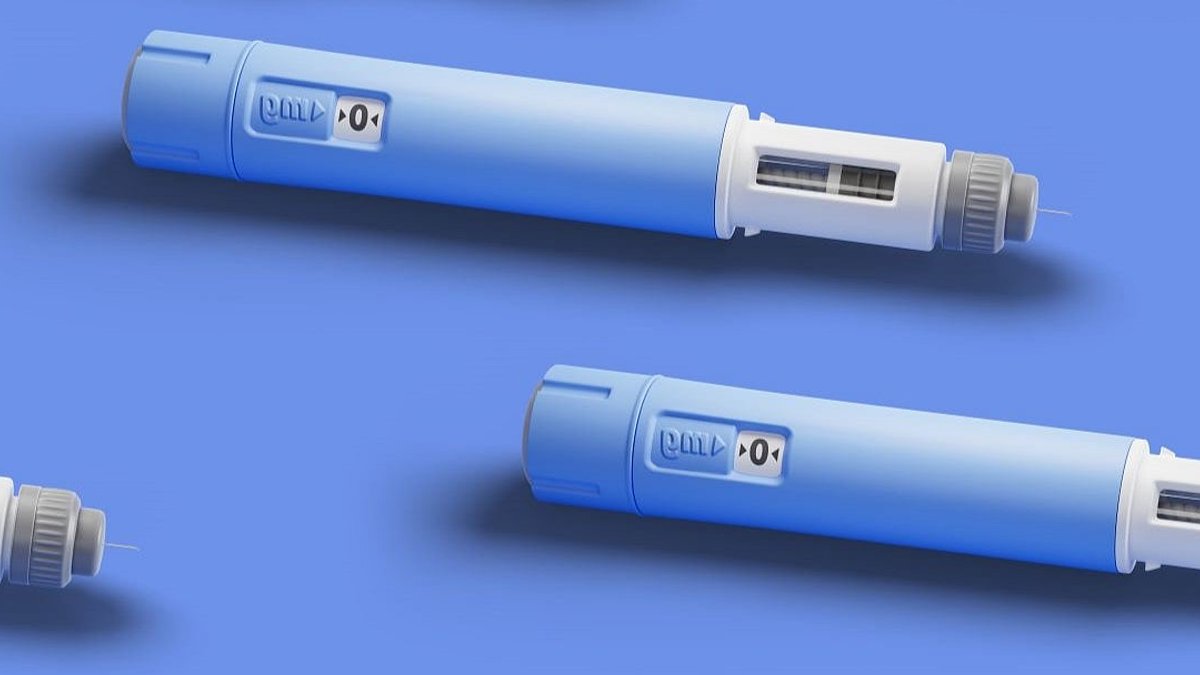
A new study found that children taking weight-loss drugs like Ozempic and Zepbound are at risk for nutritional deficiencies. About 1 in 6 kids prescribed a GLP-1 medication are diagnosed with a nutritional health problem within a year.
The study highlights that low vitamin D levels and anemia are the predominant issues, with vitamin D deficiencies appearing in over 12% of treated children during their first year on GLP-1 drugs.
To conduct the research, scientists examined insurance records from 2017 to 2022 involving over 100 million individuals, identifying more than 2,000 children aged 10 to 17 who had been given a GLP-1 prescription. The average patient was 15, and approximately 63% had an obesity diagnosis.
Within a year, 17% of the kids had been diagnosed with at least one nutritional deficiency or nutrition-related health problem. Anemia was the next-leading health problem, with nutritional anemia affecting nearly 1.6% of kids and iron-deficiency anemia, 1.4%.
Read Also: Vaginal Swab Test Could Reduce Endometrial Biopsies
Senior author Justin Ryder, vice chair of research at Ann & Robert H. Lurie Children’s Hospital of Chicago, said that nutritional support needs to play a critical role once treatment with a GLP-1 medication is initiated. However, the study found that only 5% of patients received nutritional counseling within 30 days of GLP-1 treatment and less than 25% received nutritional counseling within 6 months.
Dr. Ryder warned that understanding these risks is key during adolescence, a phase marked by rapid physical changes and growth spurts. Deficiencies in essential nutrients like vitamin D, iron, and calcium could particularly affect bone strength and long-term development during this critical window.
They noted that parents of kids taking GLP-1 drugs should ensure their children receive nutritional counseling to meet their needs for healthy growth and development. The Obesity Medicine Association provides more information on GLP-1 drug use among children and teens.