
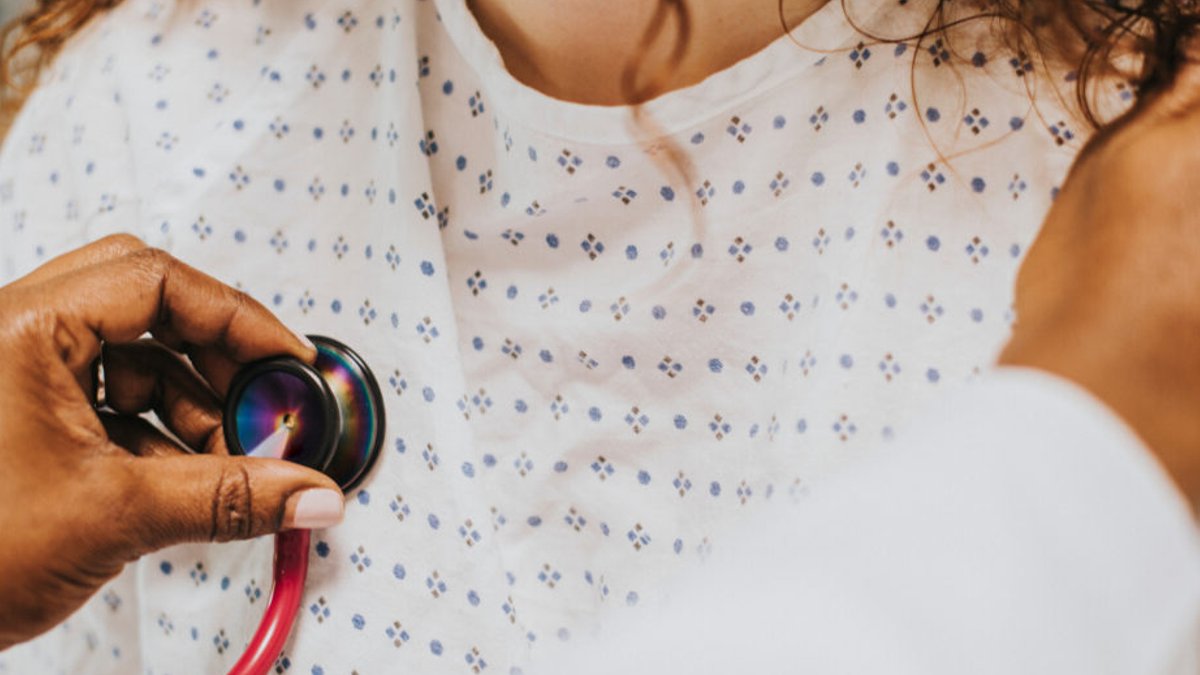
Heart transplant candidates often face a difficult hurdle: becoming too weak to survive the procedure. A new inpatient program attempts to fix this by treating frailty as an active condition rather than a passive result of bed rest.
Cardiologists see this happen all too often. A patient is waiting in the hospital for a heart transplant, only to be disqualified because their fitness has fallen with each day in bed. The longer someone stays admitted for worsening heart failure or abnormal rhythms, the lower their chances become.
Patients losing strength while waiting
Dismayed by these cases, Radha Gopalan, a heart transplant cardiologist at Banner–University Medical Center Phoenix, decided to try a twist on other rehabilitation programs. She wanted to keep patients from failing further while they waited.
There’s cardiac rehabilitation, a set of programs designed to return people to healthy activity after a heart attack, surgery, or other serious cardiovascular event. There’s cardiac prehab, an outpatient effort to prepare patients before they undergo the rigors of cardiac surgery and recovery, including heart transplantation. Now there’s in-patient cardiac prehab for people waiting to receive a heart transplant.
Building strength inside the hospital
Patients on the transplant waitlist who are admitted to the hospital for the most common conditions leading up to transplant can now take part in this novel program. Gopalan and her team began testing this approach in 2023 after seeing patients become weaker the longer they stayed in the hospital, jeopardizing their chances for a lifesaving transplant.
Related: Ebola Outbreak Nears Grim Milestone
In our gym we have a recumbent bicycle to exercise the legs as well as the arms at the same time, a sit-down bicycle, and an arm bicycle, where arms only can be exercised. We intentionally did not put a treadmill in there because we didn’t want to put patients at risk of falling down.
By increasing their heart rate and increasing their lung function, they improved their cardiopulmonary status as well as the skeletal muscles that give rise to frailty. Most of our patients started with an average frailty score of 2.5 out of 5 and then they improved to 1.5 in these sessions with our exercise physiologist.
We get excited in transplant selection if someone has a score of 2 or lower. If they get 3 or 5, we have to rehabilitate them, one way or another because they are at high risk for postoperative complications. So 3 is our cutoff.
Some of the patients didn’t even get to transplant. They developed other complications and they never qualified. This was an opportunity to get people who would otherwise not have a door open, to try to improve their frailty so that they can get their transplant faster. We came up with this idea: How about we reduce their loss of function in the hospital?
One, it is safe. When you do something new, you have to make sure you are not putting patients at risk. We had no deaths and no complications. No falls.
Related: Volkswagen China invests in driverless cars
Two, it was effective. It improved the frailty score.
Three, it improved the METS [metabolic equivalent tasks score].
Those are three important things.
The team reported their results in April at the International Society of Heart and Lung Transplantation meeting in Toronto. Over two years, 56% of pretransplant patients in the first year and 62% in the second year met transplant listing criteria after improvement, with no reported adverse events.
If you have a hospitalized Medicare patient, every day they are in bed their muscles lose power. In studies in athletes, for one day of bed rest it takes three days to get back the muscle strength that was lost. So if you have a patient who stayed in the hospital for 10 days and was bedbound, that will take 30 days to get to where they were before they were hospitalized.
Related: BlackRock crosses $15 trillion reveals investment strategy
The idea started as post-hospitalization or intra-hospitalization rehab, and then we also realized there are patients who never went home before their transplant, but we didn’t have the ability to improve their frailty before they go for surgery. Based on that was born the idea of prehab.
Some of them were skeptical. They didn’t know if they could do it, so they needed reassurance from our team. But the most motivated patients actually asked to go for it. They would do anything to get out of the hospital.
We sought out and secured philanthropic funding through our foundation. I proposed to the hospital, if I came with the funding, would you provide the space on one of our telemetry floors? And they agreed.
To apply for NIH funding, you need to collect a little bit more data.