
Prostate cancer is the most common cancer diagnosed in U.S. men, with more than 333,000 new cases reported each year, yet the disease is rarely fatal, boasting a five‑year survival rate of about 99%.
Traditional diagnosis fuels over‑treatment
The standard diagnostic pathway begins with a blood test for prostate‑specific antigen (PSA). When PSA levels rise, physicians usually order a systematic biopsy that samples tissue from multiple zones of the gland. This two‑step process can detect cancer at an early stage, but it also uncovers many low‑grade tumors that are unlikely to become lethal.
Data from the American Urological Association Quality Registry indicate that up to 70% of newly diagnosed prostate cancers are low grade and pose little risk. Still, as many as half of men with such clinically insignificant disease receive treatment, and some providers reportedly treat almost every patient with a low‑grade tumor.
“These low‑grade lesions shouldn’t even be called a cancer,” said Scott Eggener, a urology professor at UCLA. He and other experts argue that widespread detection of indolent tumors represents a classic case of overdiagnosis.
Related: Ebola outbreak kills 1700 in eastern Congo
MRI scans offer a way to curb unnecessary biopsies
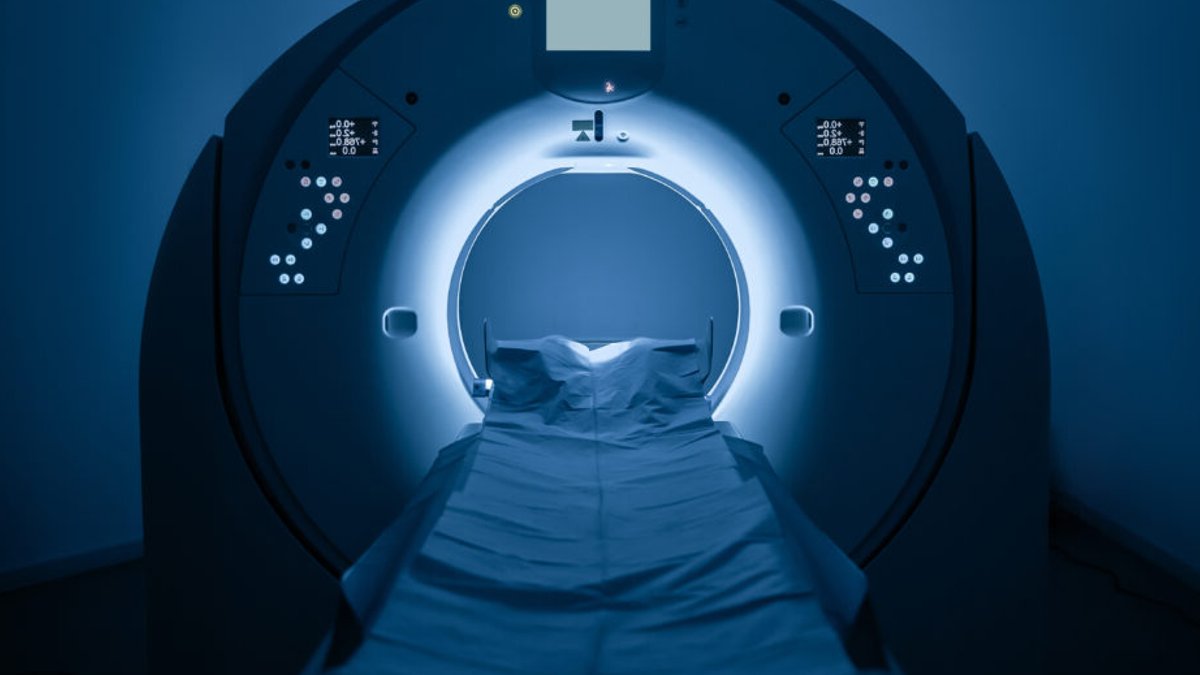
Over the past 15 years, magnetic resonance imaging (MRI) of the prostate has become the preferred test in Europe, Canada, Australia, and the United Kingdom after an raised PSA result and before any biopsy is performed. Studies show that pre‑biopsy MRI can spare 30% to 50% of patients from undergoing a needle biopsy, thereby reducing the detection of cancers that would never require treatment.
In the United States, the National Cancer Network has strongly recommended pre‑biopsy MRI since 2020, but other guideline‑making bodies such as the American Urological Association and the American Society of Clinical Oncology give it only a conditional endorsement. The latest available data reveal that in 2022, MRI was used before biopsy in roughly one‑third of U.S. cases.
Reasons for slow adoption include unfamiliarity with interpreting MRI scans, the learning curve associated with new technology, and financial incentives tied to the volume of biopsies performed.
U.S. guidelines differ: if an MRI detects a lesion, a targeted biopsy is recommended, but many physicians also perform a systematic biopsy alongside it. Critics argue that this “double‑biopsy” approach often uncovers low‑grade tumors that would not have required treatment.
Related: Summer heatwaves may drive next year’s grocery prices
Compared with other cancers, prostate tumors are uniquely prone to over‑detection because the gland naturally accumulates low‑grade changes with age.
Similar patterns have been observed in breast and lung screening, where many identified abnormalities never progress to harmful disease. This parallel suggests that the U.S. experience with prostate cancer mirrors broader challenges in balancing early detection against overtreatment.
Barriers to wider MRI use persist
Beyond physician training, access to high‑quality MRI equipment varies widely across the country. Rural areas and Medicaid‑eligible patients often face longer wait times or lack of nearby facilities capable of producing reliable prostate images. Studies also show that MRI interpretation can differ substantially among radiologists, further complicating the decision‑making process.
Financial considerations play a role as well. Biopsies generate revenue for urology practices, and some clinicians may be reluctant to reduce the number of procedures they perform. Patient expectations add another layer; many men request additional testing to “know everything” about their condition, even when the likelihood of a life‑threatening cancer is low.
Related: Ebola Outbreak Nears Grim Milestone
Nevertheless, the evidence supporting MRI’s diagnostic value is strong. The 2018 PRECISION trial demonstrated that MRI‑guided biopsies detect more clinically significant cancers while reducing the diagnosis of insignificant disease. A recent JAMA Oncology study found that only 3% of men with a negative MRI developed a clinically significant cancer within three years of monitoring.
While the debate over systematic versus targeted biopsies continues, most experts agree on one point: obtaining an MRI before a biopsy improves the overall quality of prostate cancer care.
MRI improves outcomes.