
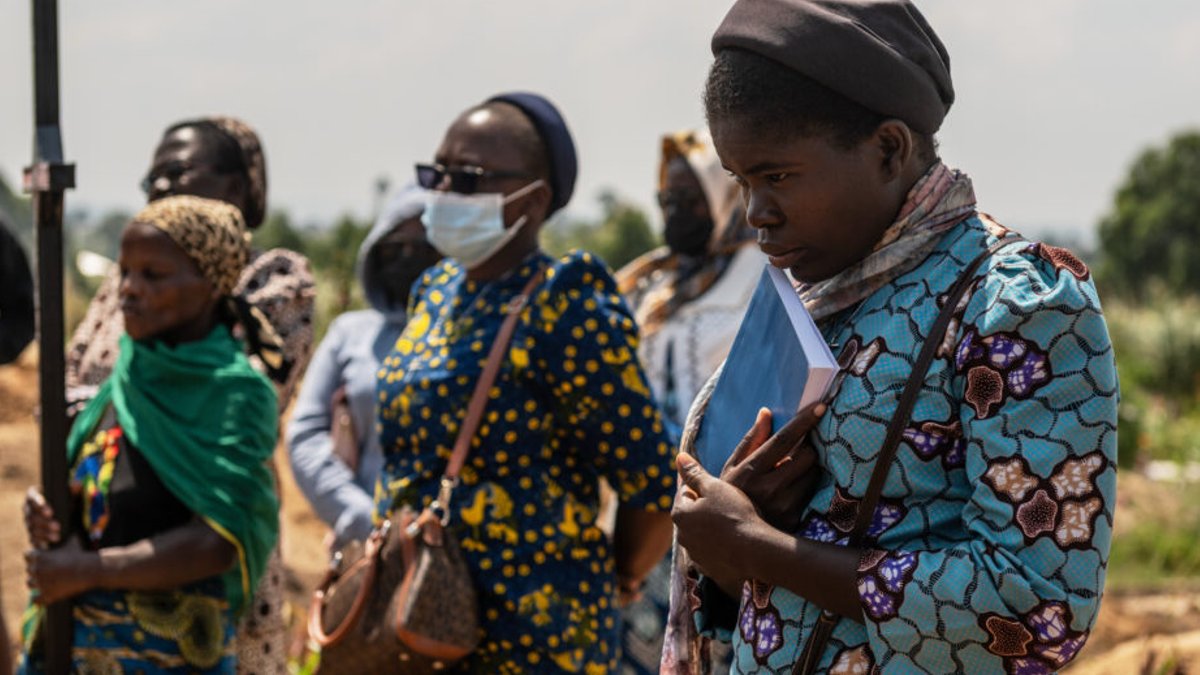
Ebola has killed more than 1,700 people in eastern Congo, making the outbreak the fastest‑growing recorded, according to the latest government figures released on Tuesday.
Case count climbs as contact tracing falters
Health officials reported 3,802 confirmed cases, with 1,707 deaths, in the ongoing epidemic centered in Ituri province. Africa CDC Director‑General Jean Kaseya said during a visit to Bunia that 60‑70% of recent infections stem from community spread rather than from contacts identified by tracing efforts.
“Contact tracing is not working,” Kaseya told reporters, adding that the trajectory “doesn’t like the trajectory of this outbreak.” The outbreak now ranks as the second‑largest ever recorded worldwide.
World Health Organization chief Tedros Adhanom Ghebreyesus is slated to travel to Kinshasa later Tuesday and to Bunia later in the week, highlighting the seriousness of the situation. The virus has been linked to the Bundibugyo strain, for which no approved vaccine or treatment exists.
Related: AstraZeneca and Bristol in merger talks
Response hampered by security and logistics
Authorities cite several obstacles: delayed contact tracing, restricted access to remote villages, community mistrust, and violence from armed groups. Displacement caused by conflict and illegal mining has further complicated efforts to locate potential contacts.
The WHO is monitoring more than 17,000 possible exposures, with nearly 80% of those individuals seen each day. Regional director for Africa Mohamed Janabi noted that testing capacity has risen to over 2,000 samples daily, a sharp increase from the 20‑sample baseline earlier in the outbreak.
Two clinical trials for post‑exposure prophylaxis drugs continue in Ituri, while separate vaccine studies are underway in the United Kingdom and Canada. Enrollment in a study of two experimental Ebola treatments began recently in the province.
Local health workers face mounting pressure
In the hard‑hit town of Mongbwalu, health workers issued an ultimatum on Monday, demanding payment within 24 hours or threatening to “escalate our action.” Earlier strikes in Bunia over unpaid wages and unsafe conditions reflect growing fatigue among staff.
More than 100 health workers have become infected since the outbreak began, highlighting the personal risk faced by those on the front lines. The combination of unpaid wages and inadequate protective equipment has strained morale.
Related: Ebola Outbreak Nears Grim Milestone
For residents of remote villages, the surge means daily life is increasingly disrupted. Families are forced to avoid markets and schools, fearing infection, while also coping with the loss of breadwinners. The lack of a identified patient zero leaves the source of transmission uncertain, which makes community‑based prevention even harder to plan.
Regional impact and historic comparison
The outbreak, declared on May 15, now accounts for nearly 90% of cases in Ituri, but it has spread to five other provinces, including the major city of Kisangani. Neighboring Uganda announced it is free of Ebola after discharging its last patient in mid‑June.
Compared with the 2014‑2016 epidemic that produced 28,000 cases and over 11,000 deaths over eight months, this current wave has reached 1,000 deaths in a far shorter span, showing rapid acceleration.
Funding shortfalls, attacks on health centers, and ongoing conflict continue to impede the response. International donors and NGOs are urged to close the financing gap to sustain vaccination, treatment, and surveillance activities.