
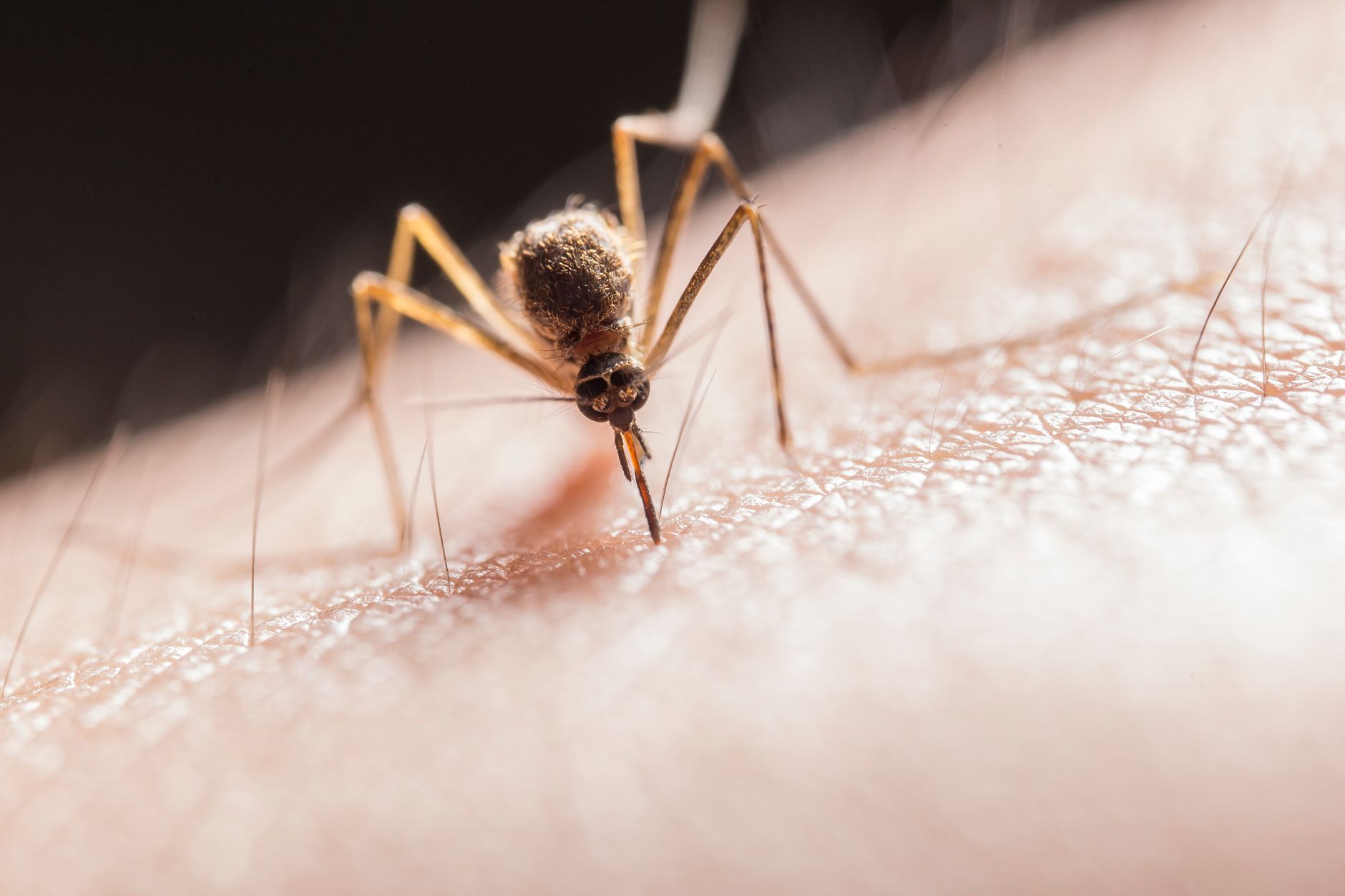
Mosquitoes kill between 700,000 and 1 million people annually, making them the deadliest insect on Earth. Climate change and migration are expected to increase their spread, worsening disease transmission. Google is addressing this with Project Debug, a plan to release billions of sterile male mosquitoes in California and Florida. The company seeks U.S. approval to release up to 64 million of these insects over two years.
The strategy focuses on male mosquitoes infected with Wolbachia bacteria. This naturally occurring microbe prevents these males from producing offspring when they mate with wild females. Since only females bite humans and spread diseases like dengue and malaria, targeting males avoids harming ecosystems or altering mosquito behavior. The method does not use chemicals or genetic modification.
Related: Tiger mosquito now in Berlin protect yourself
Google’s team is developing tools to monitor and guide releases, ensuring the right number of sterile males reach affected areas. The process involves breeding mosquitoes, separating males from females, and releasing them into the wild. The company’s website states, “We’re trying to stop bad mosquitoes by raising and releasing good ones.”
Aedes aegypti is the primary target. This species spreads dengue, Zika, and yellow fever, contributing to tens of thousands of deaths yearly. Around 40% of the global population lives in areas where this mosquito thrives. Other countries have tested similar methods. In 2023, Cyprus released 100,000 sterile males weekly for 20 weeks to combat the species’ arrival on the island.
Related: Boston Scientific’s $1.5B bet signals heart valve battle
Rising temperatures and shifting rainfall patterns are extending mosquito seasons. Aedes albopictus, which spreads chikungunya, now inhabits 16 European countries, up from 114 regions a decade ago. Culex pipiens remains a key vector for West Nile virus.
Prevention efforts include eliminating standing water where mosquitoes breed. The ECDC recommends using larvicides in larger water bodies and adulticides during outbreaks, while balancing ecological impact. Rafael Mariano Grossi, director general of the International Atomic Energy Agency, called Aedes aegypti’s presence in Cyprus “a significant challenge” that could affect Europe if unaddressed.
Related: Acne Scar Laser Treatment: Procedures, Efficacy, and Costs
Cuba and China tested sterile insect technique (SIT) in 2020 and 2017, respectively. Google’s approach avoids irradiation, relying instead on Wolbachia. The company emphasizes that its method is “safe for humans and the environment,” unlike chemical insecticides.
Public health officials stress the need for coordinated action as mosquito-borne disease risks grow. Céline Gossner, an ECDC expert, said prevention must include both public health measures and individual steps like removing stagnant water. Google’s project is part of a broader push to reduce reliance on harmful pesticides and address the growing threat of invasive mosquito species.