
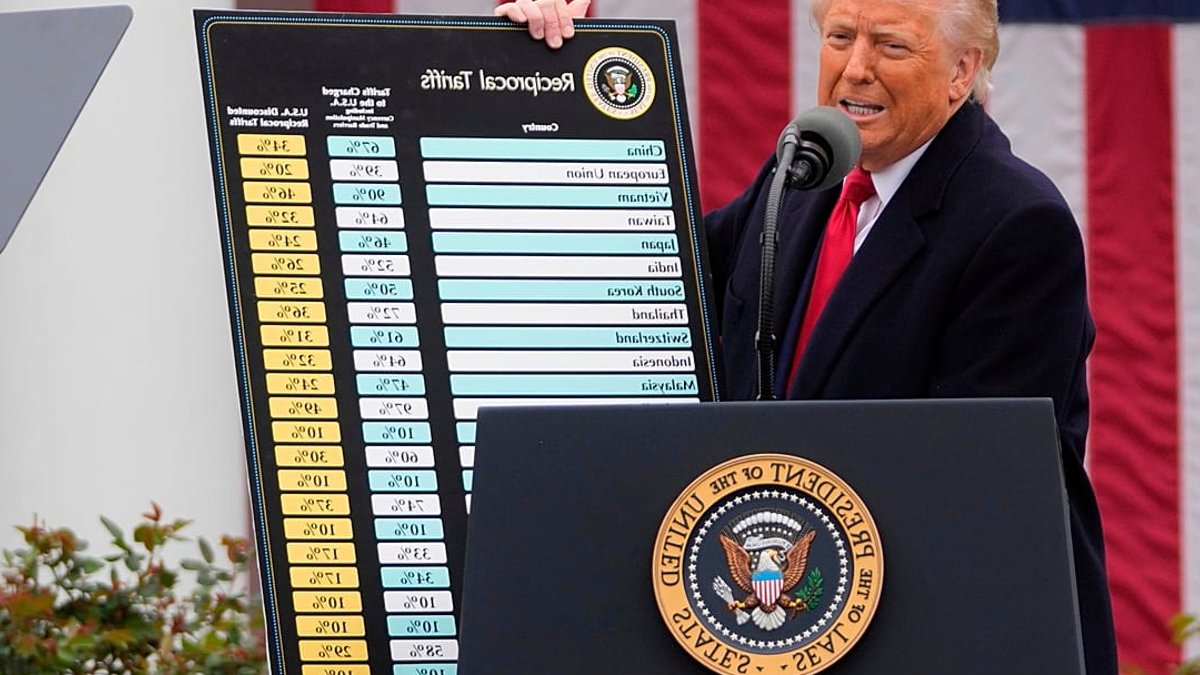
President Donald Trump has signed three proclamations to impose 50% tariffs on a range of Canadian imports, citing disputes over automobiles, alcohol and dairy products. The move, announced under Section 338 of the 1930 Trade Act, targets goods that were previously exempt under the United States‑Mexico‑Canada Agreement, which the United States let expire, prompting fresh negotiations that could stretch to 2036.
The new duties exclude energy commodities, potash, fish and certain critical minerals, but they cover many items that had enjoyed tariff‑free status. The White House fact sheet says the tariffs will take effect in 30 days, allowing a brief window for talks before the measures become binding.
Canadian Prime Minister Mark Carney responded that Canada “believes in the benefits of free and fair trade” and is ready to negotiate intensively to resolve the issues. He said Canada is prepared to engage with the Trump administration.
Related: Azerbaijan and Germany Strengthen Economic Ties
Ontario Premier Doug Ford warned that a tit‑for‑tat approach could follow, urging a “tariff for tariff, dollar for dollar” response. The Canadian Chamber of Commerce chief, Candace Laing, labeled the action “regrettable” but urged both sides to use the 30‑day period to make progress in formal discussions.
In the United States, the CEO of the Distilled Spirits Council, Chris Swonger, called for a negotiated solution to restore market access for U.S. spirits and protect the hospitality sector.
Political and economic stakes
Several Democratic lawmakers last year proposed repealing Section 338, saying Trump could use it to destabilise the economy. The Cato Institute’s vice president of general economics, Scott Lincicome, warned that invoking the century‑old law could spread “massive uncertainty” across global markets.
Related: Football stocks perform better than market average
The timing is sensitive, with midterm elections looming and the president’s recent “Liberation Day” tariffs having already sparked market volatility and concerns over inflation.
The Supreme Court recently ruled that the president lacked authority to impose tariffs by declaring an economic emergency, prompting the administration to rely on other legal mechanisms such as Section 338.
Trade policy is complex. The situation is being closely watched by analysts and journalists on the scene.