
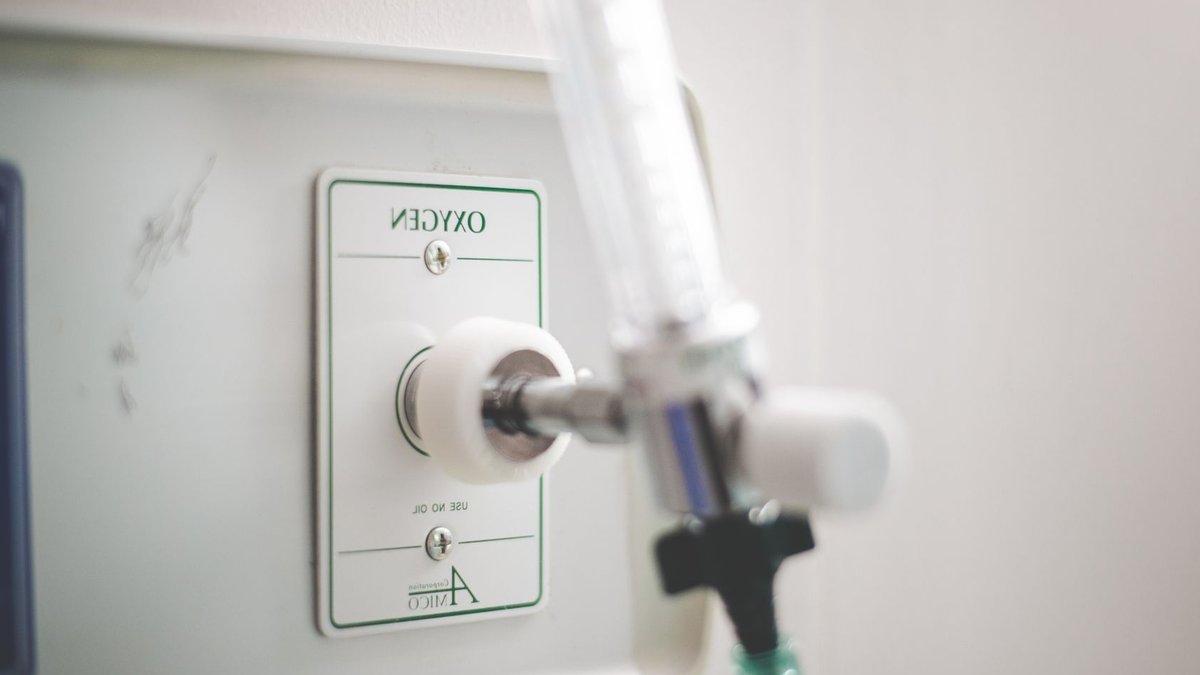
Oxywise says its on-site generators let hospitals in the Middle East produce medical-grade oxygen without relying on external deliveries, a move it frames as a step toward supply independence.
Regional supply pressures
Facility managers contend with high ambient temperatures that cause pressure loss in stored liquid tanks, sometimes wasting up to 15% of the product.
Long, cross-border transport routes add delivery uncertainty, and rapid network expansion forces hospitals to balance fluctuating demand against strict safety rules.
On-site generation technology
The equipment uses proven pressure-swing adsorption (PSA) to extract oxygen from ambient air, delivering a continuous flow that meets medical standards of 93-95% purity. The PSA cycle works by passing air over a carbon-based molecular sieve that captures nitrogen, leaving a high-purity oxygen stream for immediate use.
Units are offered as skid-mounted, containerized or integrated filling stations, each built to withstand desert heat, humidity or coastal corrosion. The rugged casings incorporate insulated panels and corrosion-resistant coatings, ensuring reliable operation even in salty sea-air environments.
Control panels powered by SIEMENS provide automated management and remote monitoring, while stainless-steel piping protects purity over long service life. Operators can view real-time performance metrics on a handheld device, adjust flow rates, and receive alerts if the system detects any deviation from the set parameters.
In contrast to traditional cryogenic tanks, the system’s dynamic vessels endure millions of pressure cycles, extending operational lifespan.
Financial and operational impact
Hospitals that switch can see operating costs fall by as much as 70%, with a typical return on investment achieved in under two years. The savings stem from the elimination of fees associated with third-party oxygen deliveries.
Clinicians benefit from built-in purity monitors that automatically divert off-spec output, trigger alarms and protect pipelines before patients are affected. The continuous monitoring system logs every batch, creating an audit trail that satisfies regulatory inspections without additional paperwork.
Maintenance teams note fewer emergency call-outs, as moisture detection systems shut down the unit preemptively, avoiding costly damage. The modular design allows technicians to replace individual components without taking the entire plant offline, further minimizing downtime.
Remote service networks and certified compliance documentation support audit readiness across the region. Service partners can access the unit’s diagnostic data through a secure cloud portal, schedule preventive maintenance, and dispatch spare parts directly to the site.