
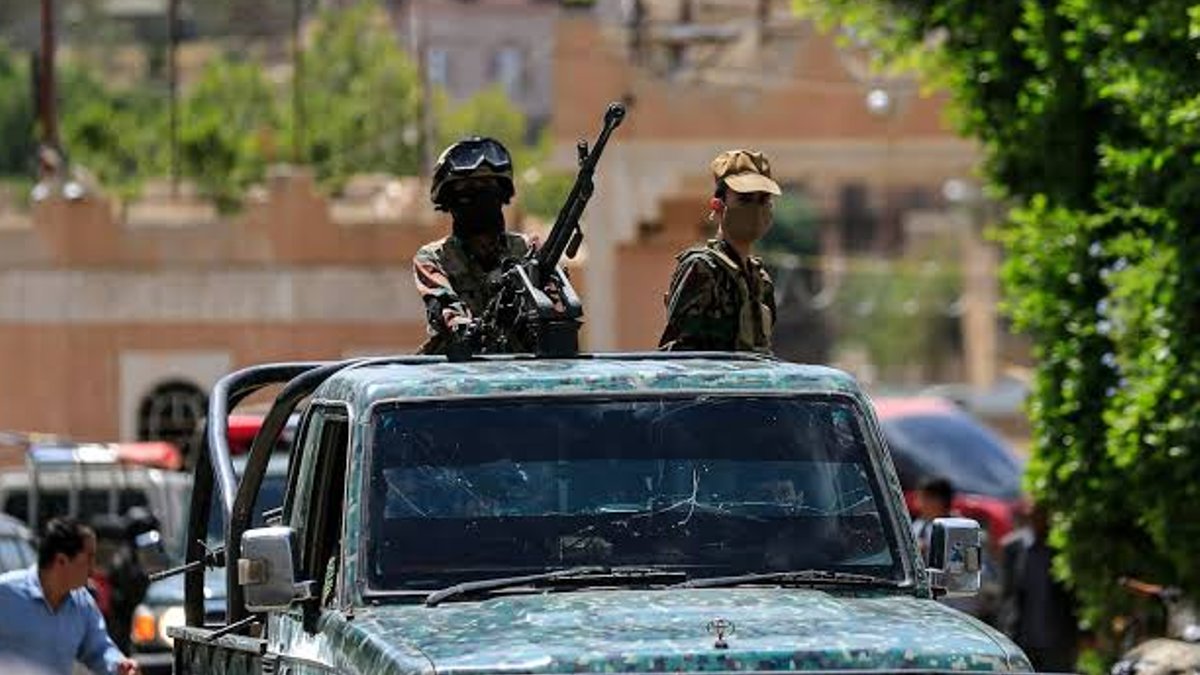
The Houthi rebels in Yemen took credit for launching missile and drone attacks against Riyadh and an Aramco facility in Yanbu on Saturday. Witnesses reported plumes of smoke and flames near the Saudi capital’s airport, though coalition forces stated their air defences had intercepted the missile aimed at Riyadh and thwarted additional strikes. Saudi officials had issued safety warnings for Riyadh and Al-Kharj before standing them down, with no reported casualties or structural damage confirmed.
In response, Turkey invoked its defence agreement with Saudi Arabia and Pakistan to offer military backing, while Iran reiterated its call for diplomatic mediation through Pakistan and Qatar. Tehran also urged the U.S. to restart negotiations under the June framework agreement. Separately, American authorities advised citizens in the Middle East to prepare for possible flight cancellations and airspace restrictions amid rising regional tensions.
Donald Trump, the former U.S. president, indicated he was considering military action against Iran, telling Fox News that he was in “deciding mode” and questioning whether to “blow the entire nation up” if Tehran did not change its behavior. He added that he remained open to pursuing a diplomatic resolution with the Iranian government.
Read Also: Study links artificial sweeteners to faster brain aging
The latest strikes mark another escalation in a cycle of attacks and retaliations that has intensified over recent months. The Houthis’ claims coincide with growing unease over disruptions in Red Sea and Gulf shipping lanes, where commercial vessels have faced repeated threats and diversions.
Saudi Arabia’s air defences had already demonstrated effectiveness in previous engagements. The current alerts reflect ongoing efforts to balance security measures with public reassurances, though officials have yet to provide details on the specific missile types used in Saturday’s strikes.